
Logo
Get Estimate

Water Extraction in Plainfield for Flooded Homes

Water Extraction in Plainfield is emergency water removal that clears standing water and addresses moisture after leaks, floods, and plumbing failures. We help Plainfield homeowners and businesses get water out before it spreads into drywall, flooring, and stored belongings. From historic downtown properties to newer homes near Route 59, our team handles emergency water extraction, documents affected areas, and explains the next steps plainly. Call us when a basement, utility room, or business floor is wet.

Call for Help Request Service
Emergency service Water removal Service area
Licensed Licensed & Bonded
Fully Insured Insured & Bonded
24/7 Emergency Same-Day Response
Warranty Backed Workmanship Guaranteed in Plainfield
Plainfield

Water Extraction in Plainfield, Illinois


Water Extraction in Plainfield means getting standing water out promptly and checking where moisture traveled, not just drying the visible floor. Our team serves homes and businesses around downtown Plainfield, the Route 59 corridor, and subdivisions extending toward Caton Farm Road. Illinois weather brings freeze-thaw periods, heavy spring rain, summer storms, and winter pipe risks; each creates a different path for water to enter a building. We bring the right extraction equipment for the volume, access, and affected materials.

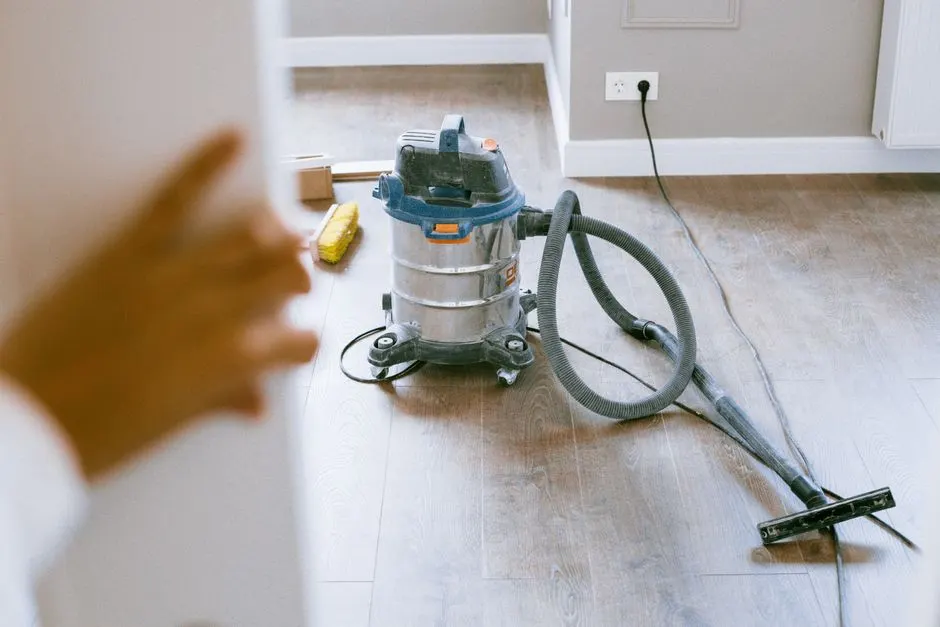
For basement water removal, we start by identifying the source and checking safety before pumping or extracting. A submersible pump handles deeper water; a portable extraction pump or wet/dry vacuum can address shallower areas and tight spaces. We use a moisture meter to check materials beyond the obvious puddle, including carpet padding and drywall. That helps you understand what can be dried in place and what needs further attention.

Plainfield properties range from older homes near the village center to newer construction with finished basements and utility rooms. We adapt the work area to your building and keep you informed as we move from extraction to drying. Whether a sump pump fails during a storm or a supply line lets go overnight, you get a clear plan for the immediate water problem and the affected rooms.

  • Locally licensed and insured in Plainfield
  • Same-day diagnostics and written estimates
  • Real workmanship warranty in writing
  • Background-checked, in-house technicians

Water Removal Services Across Plainfield

Plainfield water calls range from a few inches in a basement to water spread across a business floor after a plumbing failure. We ask where the water came from, how deep it is, and whether power or sewage is involved so we can bring suitable equipment. If you are searching for emergency water removal in a Plainfield basement, we can extract visible water and check nearby walls, flooring, and stored areas for moisture. The goal is to stop continued damage and give you a clear account of what needs drying next.

Emergency Water Extraction

Emergency Water Extraction

When a pipe breaks overnight or a sump system stops during heavy rain, we prioritize stopping the spread and removing accessible standing water. In Plainfield homes with finished lower levels, our crew separates wet belongings from affected flooring where practical, then checks nearby materials. We explain what we found before moving from extraction into drying.

View Details
Flood Water Removal

Flood Water Removal

Flood water can cover a basement floor, garage, or ground-level room and carry sediment that needs careful handling. We assess depth and access at your Plainfield property, use pumping equipment suited to the volume, and finish with detailed extraction. If the water reached carpet padding or drywall, we identify those areas rather than treating the room as one uniform surface.

View Details
Basement Water Removal

Basement Water Removal

Finished basements in Plainfield often contain carpet, stored items, and drywall that hold moisture after the puddle is gone. We remove standing water, move equipment through the safest available access, and check moisture around the floor perimeter and lower wall sections. You get a practical drying plan based on the affected materials, not just the visible waterline.

View Details
Sump Pump Failure Water Removal

Sump Pump Failure Water Removal

A failed or overwhelmed sump pump can leave water across a basement before you spot the problem. We extract water from Plainfield lower levels, check how far it reached, and assess nearby finishes and stored belongings. If the pump or discharge line remains an active source, we identify that condition so water does not keep returning during cleanup.

View Details
Sewage Backup Cleanup and Water Removal

Sewage Backup Cleanup and Water Removal

A drain backup calls for protective handling, controlled removal, and separation from clean household areas. We assess the affected rooms in Plainfield, use appropriate personal protective equipment, and remove contaminated water and impacted materials according to the situation. We also explain what areas should remain restricted while cleanup proceeds, especially in homes with children or pets.

View Details
Storm and Rainwater Extraction

Storm and Rainwater Extraction

Wind-driven rain, overflowing exterior drainage, or water entering at a low door can affect Plainfield homes and shops during a storm. We remove water from the affected floor, trace its path through adjoining spaces, and check nearby materials. Our team takes care around electrical equipment and stored contents, then identifies practical drying needs before leaving the work area.

View Details
Groundwater Intrusion Removal

Groundwater Intrusion Removal

Water entering through a basement floor joint or lower wall can return if the entry condition remains active. We extract water from Plainfield foundations and inspect accessible areas for dampness, staining, and material impact. A moisture meter helps distinguish a dry surface from a wet assembly, so your next decision is based on measured conditions rather than appearance alone.

View Details
Burst Pipe and Plumbing Leak Water Removal

Burst Pipe and Plumbing Leak Water Removal

A supply-line leak can wet cabinets, flooring, and rooms below before it is discovered. After the water source is shut off, we extract standing water in your Plainfield property and check adjacent materials for migration. We coordinate the extraction sequence with access to the leak area, helping you avoid trapping moisture behind furniture or beneath flooring.

View Details
Appliance Leak Water Removal

Appliance Leak Water Removal

Dishwashers, washing machines, refrigerators, and water heaters can leak into nearby cabinets or across a utility-room floor. We remove water from the affected Plainfield room, check toe-kicks and floor edges, and assess whether moisture reached the underlayment. Early extraction helps you address the hidden wet area before replacing appliances or closing the space back up.

View Details
Frozen and Burst Pipe Water Removal

Frozen and Burst Pipe Water Removal

A frozen pipe can split and release water when temperatures rise, often behind a wall or in an unheated utility area. We extract water after the supply is controlled, inspect the surrounding Plainfield rooms, and check lower wall materials for moisture. If water traveled between floors, we follow the path instead of stopping at the first visible puddle.

View Details
Emergency Water Extraction in Plainfield
Service · #1

Emergency Water Extraction in Plainfield


Water Extraction in Plainfield helps limit damage when a supply line breaks, a fixture overflows, or water spreads unexpectedly. Illinois Water Extraction Pros responds across neighborhoods such as Grande Park and Liberty Grove, removing standing water from homes and businesses. Our crew assesses affected rooms, protects salvageable belongings, and selects extraction equipment suited to the water volume and building materials, then explains practical next steps before work begins.

Rapid Arrival And Assessment

A fast, organized response can reduce how far water travels beneath flooring and into wall cavities. We identify the source, check affected levels, and note hazards before placing equipment. In newer Grande Park homes and older properties closer to downtown Plainfield, our technicians tailor the initial plan to the layout, flooring, and access points. We also document visible damage for your records.

Powerful Water Removal

Commercial extraction units remove pooled water from carpet, tile, and hard-to-reach low spots. For emergency water removal in Plainfield, we address wet rooms in a sequence that limits tracking water into unaffected areas. Technicians inspect closets, adjoining halls, and utility spaces rather than stopping at the obvious puddle, helping ensure the cleanup plan reflects the full footprint of the incident.

Drying And Moisture Checks

After extraction, air movers and dehumidifiers help dry materials that still hold moisture. We take readings at floors, baseboards, and other affected surfaces, then adjust equipment as conditions change. Plainfield's humid summer weather can slow evaporation, so moisture checks guide decisions about drying time and equipment placement. Before wrapping up, we review progress and explain any remaining concerns.

  • Standing-water extraction from affected rooms, closets, and adjoining hallways
  • Moisture readings recorded at floors, baseboards, and accessible wall areas
  • Air movers and dehumidifiers positioned for targeted structural drying
  • Incident photographs and a clear summary of recommended next steps

Flood Water Removal in Plainfield


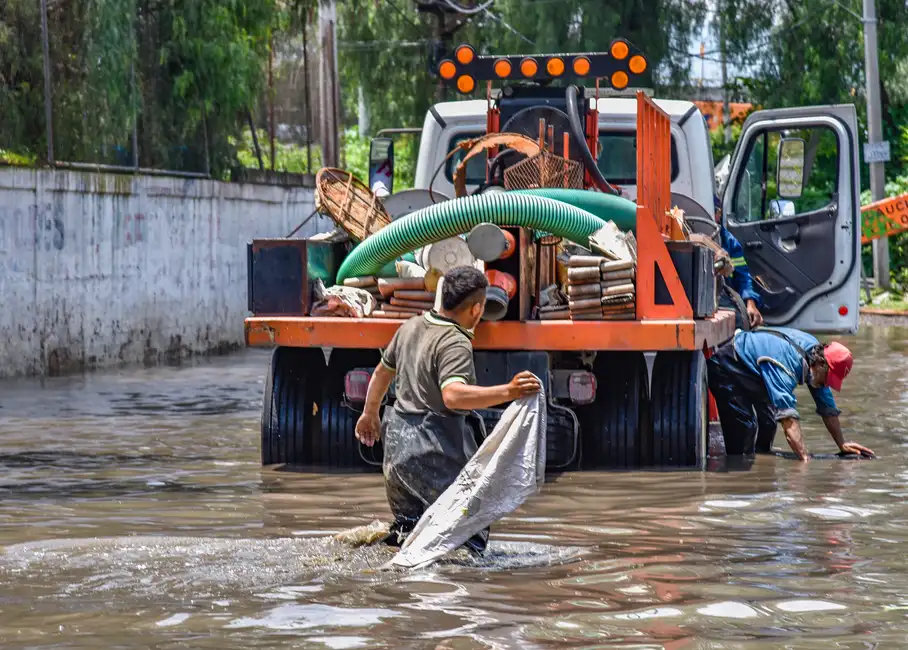
Flood water removal in Plainfield is essential after water enters through a foundation, door, or overwhelmed drainage system. Illinois Water Extraction Pros serves homes around Renwick and the Route 59 corridor, where heavy rainfall can affect yards and lower-level rooms. We assess the water's path, separate affected materials from unaffected spaces, and begin controlled removal with attention to safety, belongings, and the building's construction.

  1. 01

    Tracing Floodwater Entry

    Before equipment is set up, technicians look for entry points and establish which rooms were affected. We check basement stairwells, exterior doors, and low foundation openings common in Plainfield homes. Our flood cleanup service Plainfield plan distinguishes water that can be extracted from materials that may require separate handling, giving property owners a clearer picture of the work and reducing unnecessary disturbance.

  2. 02

    Clearing Water And Debris

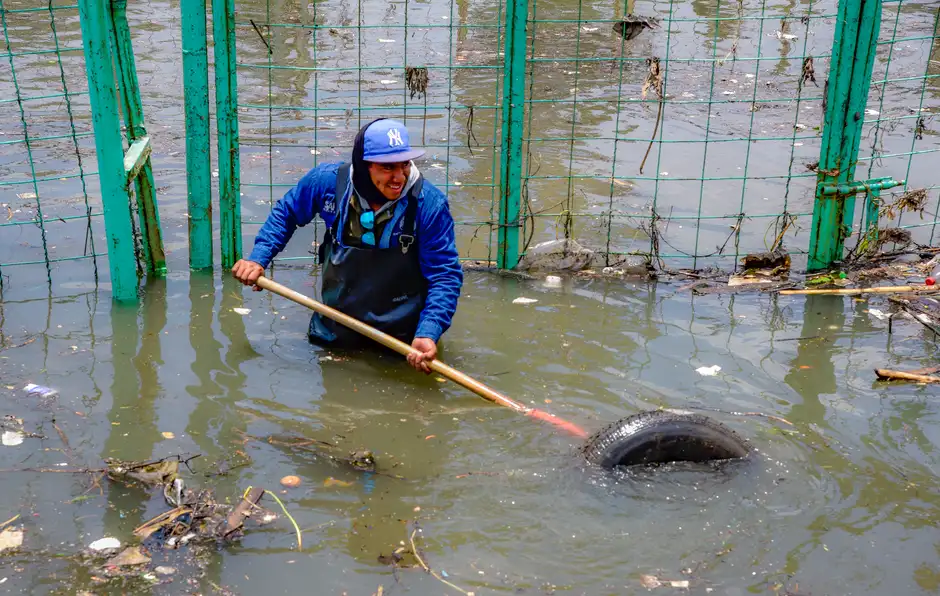
    Pumps and extraction tools remove pooled water efficiently, while debris is handled separately to keep work areas organized. We protect walkways and move salvageable items away from wet floors when conditions permit. In subdivisions near Renwick, finished basements can include carpet, storage, and built-in cabinetry; our crew checks these areas individually so hidden water is not overlooked during the initial cleanup.

  3. 03

    Managing Moisture After Flooding

    Once standing water is gone, the drying plan addresses moisture left in framing, flooring, and other materials. Technicians position drying equipment and monitor readings over time instead of relying on surface appearance alone. Because spring storms and humid summers can prolong drying in Plainfield, we explain what measurements mean and when additional inspection or material removal may be warranted.

  • Floodwater pumped from basements, ground floors, and enclosed stairwells
  • Affected rooms mapped and water-entry observations documented
  • Salvageable contents moved away from wet floors when safe
  • Drying equipment placed and moisture readings tracked during service
Flood Water Removal in Plainfield

02 / 10

Service

5+ YEARS · PLAINFIELD

Basement Water Removal in Plainfield

Basement water removal in Plainfield addresses seepage, plumbing failures, and stormwater that collect below grade. Illinois Water Extraction Pros works in established neighborhoods near downtown as well as newer homes in Heritage Meadows, where finished basements and storage spaces need careful attention. We identify standing water and damp materials, protect accessible belongings, and tailor extraction and drying to the basement's layout and surfaces.

Checking Lower-Level Spaces

Water can reach a utility room or storage nook before it becomes visible in a finished area. We inspect the basement perimeter, floor joints, stairs, and nearby mechanical spaces to understand the full extent. Our basement flooding cleanup Plainfield approach considers carpeting, wall finishes, and stored possessions separately, which helps shape a practical extraction plan for homes with both finished and unfinished sections.

Removing Pooled Basement Water

Technicians use extraction tools suited to the water depth and floor type, clearing open areas before addressing tight corners and beneath movable items. In Plainfield's varied housing stock, basement floors may include concrete, tile, or carpet over padding. We adapt the process to avoid spreading water upstairs and keep access paths as clear as possible throughout the removal work.

Drying Hidden Materials Thoroughly

A dry-looking floor does not always mean the basement is ready for normal use. We check moisture around baseboards, lower wall sections, and accessible framing, then run drying equipment where readings call for it. Seasonal rain and wet ground in the DuPage River area can keep lower-level spaces damp, so follow-up measurements help determine whether materials have dried adequately.

  • Water extracted from basement floors, stair landings, and utility areas
  • Affected carpet, padding, and stored contents assessed individually
  • Moisture checks completed at lower walls and accessible framing
  • Drying equipment arranged to maintain clear basement access routes
Sump Pump Failure Water Removal in Plainfield

Sump Pump Failure Water Removal in Plainfield


Sump pump failure water removal in Plainfield helps when a failed pump lets groundwater collect in a basement or crawlspace. Illinois Water Extraction Pros assists residents in neighborhoods such as Autumn Fields and Caton Crossing, especially after prolonged rain or spring thaw. We remove standing water, inspect nearby finished and utility areas, and check moisture beyond the sump pit so the cleanup addresses more than the immediate pool.

Water removed from sump pits, surrounding floors, and adjacent rooms

Promise

“We begin by checking the pit, surrounding floor, and the direction water traveled after the pump stopped working. Technicians look for wet storage areas, floor drains, and low corners that may not be obvious from the …”

— Plainfield customer
Assessing The Sump Area +

We begin by checking the pit, surrounding floor, and the direction water traveled after the pump stopped working. Technicians look for wet storage areas, floor drains, and low corners that may not be obvious from the stairs. For sump pump backup water removal Plainfield customers receive a room-by-room assessment that helps distinguish water near the equipment from moisture that has spread into adjacent spaces.

Extracting Basement Water Safely +

Extraction equipment clears pooled water while technicians keep electrical and mechanical hazards in view. We work around furnaces, water heaters, and stored items common in Plainfield basements, moving contents only when safe and necessary. The process follows the water's footprint rather than focusing solely on the sump pit, helping ensure floor edges and nearby finished rooms receive appropriate attention.

Drying After Pump Failure +

Once the water is removed, moisture readings guide where air movement and dehumidification are needed. Groundwater can leave concrete, carpet padding, and lower wall materials damp even after visible pooling disappears. In Plainfield, wet spring conditions may add moisture pressure around foundations, so we monitor affected areas and explain when further drying or a plumbing and pump inspection should be considered.

  • Water removed from sump pits, surrounding floors, and adjacent rooms
  • Wet basement contents assessed and safely repositioned when practical
  • Electrical and mechanical equipment areas checked for visible water impact
  • Moisture readings documented to guide post-extraction drying
Sewage Backup Cleanup and Water Removal in Plainfield
Service · #5

Sewage Backup Cleanup and Water Removal in Plainfield


Sewage backup cleanup and water removal in Plainfield requires careful containment because contaminated water can affect floors, belongings, and nearby rooms. Illinois Water Extraction Pros serves properties throughout the city, including homes near downtown Plainfield and newer developments along 135th Street. We assess the affected area, limit unnecessary foot traffic, and explain the cleanup steps needed to remove wastewater and address impacted materials safely.

Isolating Contaminated Areas

Technicians establish boundaries around the affected space and recommend keeping people and pets away while cleanup is underway. We identify the water's route through basement floors, bathrooms, or utility spaces and note porous items that may need special handling. For sewage backup water removal Plainfield properties receive an organized response that prioritizes containment before extraction begins.

Removing Wastewater And Materials

Suitable extraction equipment removes standing wastewater, while affected contents and building materials are assessed according to their condition. We work carefully around floor drains and plumbing fixtures to avoid spreading contamination into clean areas. In Plainfield homes with finished basements or older plumbing connections, the crew checks adjoining rooms and lower storage spaces for signs that wastewater traveled beyond the initial backup point.

Cleaning And Drying Affected Rooms

After removal, affected surfaces are cleaned using procedures appropriate to the materials and contamination. The crew addresses remaining moisture with drying equipment and checks accessible surfaces as work progresses. Because basement humidity can remain high during Plainfield's warm months, we explain drying considerations and document areas that may need additional attention, including porous materials that cannot be reliably cleaned in place.

  • Affected zone identified and access boundaries established for occupants
  • Standing wastewater extracted from impacted floors and connected spaces
  • Porous contents reviewed for cleaning, disposal, or further assessment
  • Cleaning and moisture-control steps documented for affected rooms

Storm and Rainwater Extraction in Plainfield


Storm and rainwater extraction in Plainfield helps restore rooms after intense downpours push water through doors, window wells, or foundation openings. Illinois Water Extraction Pros responds across neighborhoods including Wesmere and Lakewood Falls, where changing Illinois weather can bring sudden summer storms and wet spring conditions. We trace water across affected spaces, remove pooled rainwater, and plan drying around the home's finishes and contents.

  1. 01

    Finding Rainwater Entry Routes

    A careful inspection helps show whether rain entered through a basement window well, exterior doorway, or another opening. We follow wet tracks and check nearby rooms instead of assuming the visible puddle marks the full extent. Our rainwater removal service Plainfield assessment notes affected flooring and stored items, helping residents understand which areas require extraction and which should be monitored.

  2. 02

    Extracting Stormwater From Rooms

    Technicians remove pooled water from basements, entryways, and ground-floor rooms with equipment selected for the surface and volume. We keep clean areas separate where possible and address water beneath movable furniture or along wall edges. For Wesmere and Lakewood Falls properties, this careful room-by-room process helps account for different floor plans and the finished lower levels common in local homes.

  3. 03

    Drying After Heavy Rain

    Following extraction, the crew checks surfaces and accessible materials for lingering moisture before setting drying equipment. Humid air after a Plainfield summer storm can make damp carpet and lower walls slow to dry, so equipment placement and follow-up readings matter. We share the observed moisture conditions and discuss whether additional inspection is advisable if water continues entering during later rainfall.

  • Rainwater removed from window wells, basements, and ground-floor areas
  • Likely entry routes and affected rooms recorded during assessment
  • Wet furnishings shifted away from affected surfaces when appropriate
  • Drying equipment positioned with readings monitored after extraction
Storm and Rainwater Extraction in Plainfield

06 / 10

Service

5+ YEARS · PLAINFIELD

Groundwater Intrusion Removal in Plainfield

Groundwater intrusion removal in Plainfield addresses water that seeps through foundation walls, floor joints, or other below-grade openings. Illinois Water Extraction Pros works in areas such as Carillon and the South Pointe community, where seasonal rain and changing soil conditions can leave basements damp. We locate visible seepage, extract accumulated water, and check affected materials to help property owners understand the extent of moisture inside.

Identifying Seepage Patterns

Water marks, damp corners, and recurring wet floor edges can help reveal how groundwater is entering. We inspect the basement perimeter and accessible lower walls, paying attention to joints and window wells. Our basement seepage removal Plainfield assessment documents the affected locations and distinguishes active pooling from older moisture signs, giving homeowners useful information before considering longer-term drainage or foundation repairs.

Removing Accumulated Groundwater

Extraction begins with standing water and continues through accessible low spots where seepage has collected. Technicians take care around stored belongings and mechanical equipment while working through unfinished and finished basement sections. In Plainfield's clay-rich soils, water can linger near foundations after repeated rain, so we check adjacent areas rather than treating one visible patch as the entire problem.

Monitoring Damp Building Materials

Groundwater can leave concrete, baseboards, and lower wall materials damp after surface water is gone. We take moisture readings and use drying equipment where conditions support effective drying. The region's spring thaws and wet spells can cause recurring pressure around below-grade walls, so we explain what our findings show and recommend consulting a qualified drainage professional when entry continues.

  • Standing seepage extracted from basement floors and accessible low areas
  • Visible water marks and suspected entry locations documented
  • Moisture readings taken at concrete, baseboards, and lower walls
  • Drying equipment placed where affected materials can be dried
Burst Pipe and Plumbing Leak Water Removal in Plainfield

Burst Pipe and Plumbing Leak Water Removal in Plainfield


Burst pipe and plumbing leak water removal in Plainfield limits damage after a failed supply line, fixture, or drain releases water indoors. Illinois Water Extraction Pros serves homes in neighborhoods such as Grande Park and Clublands, addressing leaks that may affect multiple floors. Once the source is controlled, we locate the water's spread, extract pooled water, and check surrounding materials for hidden moisture.

Standing water extracted from rooms affected by plumbing failures

Promise

“Water from a pipe can travel beneath cabinets, across floors, and through ceiling openings before the leak becomes fully visible. We inspect the immediate room and connected spaces, noting affected finishes and potent…”

— Plainfield customer
Mapping The Leak's Impact +

Water from a pipe can travel beneath cabinets, across floors, and through ceiling openings before the leak becomes fully visible. We inspect the immediate room and connected spaces, noting affected finishes and potential paths between floors. For burst pipe cleanup Plainfield homeowners receive a focused assessment that helps prioritize extraction and alerts them to areas needing further plumbing or building inspection.

Extracting Water From Surfaces +

After the plumbing source is shut off by the appropriate professional, our crew removes standing water from affected rooms. Tools and methods are chosen for the surface, whether water has reached hardwood, tile, carpet, or a basement slab. In Plainfield's mix of newer subdivisions and established homes, we adapt access and equipment placement to the specific room layout.

Checking Moisture Beyond The Leak +

Visible water may be only part of the issue when a plumbing leak reaches wall cavities or the floor beneath cabinets. We take readings at accessible materials and place drying equipment where moisture is present. During cold Illinois winters, pipes can fail in vulnerable spaces, making prompt checks especially important; our technicians explain findings without assuming surfaces are dry by appearance alone.

  • Standing water extracted from rooms affected by plumbing failures
  • Leak path and connected spaces checked for visible water spread
  • Moisture readings taken around cabinets, floors, and accessible walls
  • Drying equipment installed with affected areas identified for monitoring
Appliance Leak Water Removal in Plainfield
Service · #9

Appliance Leak Water Removal in Plainfield


Appliance leak water removal in Plainfield addresses water from washing machines, dishwashers, refrigerators, and water heaters before it spreads farther. Illinois Water Extraction Pros assists homeowners in neighborhoods such as Heritage Meadows and Autumn Fields, where laundry rooms and kitchens often sit above finished spaces. We identify the wet footprint, remove standing water, and check surrounding floors and cabinetry for moisture that may remain after the appliance is shut off.

Checking Around The Appliance

Water may collect beneath an appliance or travel along cabinets into nearby rooms. We inspect the floor, toe kicks, wall edges, and accessible adjoining spaces to understand where moisture has gone. Our washing machine leak cleanup Plainfield service considers both visible pooling and damp materials, helping avoid the assumption that a dry appliance exterior means the surrounding area is unaffected.

Removing Water From Floors

Technicians extract pooled water from laundry rooms, kitchens, and utility spaces using tools suited to the flooring. We work around appliance connections and cabinetry without disturbing equipment unnecessarily. In Plainfield homes with open-plan kitchens or second-floor laundry rooms, water can affect a wider area than expected, so our crew checks transitions and nearby rooms while keeping unaffected surfaces clear.

Drying Cabinets And Flooring

Cabinet bases and flooring edges can hold moisture after an appliance leak, even when the main puddle has been removed. We take readings at accessible materials and use air movement or dehumidification as needed. Plainfield's humid summer conditions can slow drying in enclosed laundry areas, so we monitor progress and explain whether the affected surfaces may need another check.

  • Pooled water extracted from laundry rooms, kitchens, and utility areas
  • Cabinet edges and flooring transitions checked for moisture spread
  • Affected contents moved clear of wet surfaces when safe
  • Drying equipment positioned and accessible moisture readings recorded

Frozen and Burst Pipe Water Removal in Plainfield


Frozen and burst pipe water removal in Plainfield helps after winter temperatures cause a line to split and water to spread indoors. Illinois Water Extraction Pros responds throughout Plainfield, including areas near the downtown core and newer subdivisions, where pipes may run through garages, exterior walls, or utility spaces. After the leak is controlled, we extract water and assess affected rooms, flooring, and accessible building materials.

  1. 01

    Assessing Cold Weather Damage

    Once the water source is shut off, technicians trace the release from the pipe area through adjoining rooms and levels. We look for wet insulation, ceilings, and flooring, noting areas where water may have traveled unseen. Our frozen pipe water removal Plainfield assessment also considers vulnerable locations such as garages and exterior-wall plumbing, which can be affected during sharp winter cold snaps.

  2. 02

    Extracting Water Across Rooms

    Extraction equipment clears pooled water from floors and accessible low points while work areas are kept as orderly as conditions allow. We check beneath movable furnishings and around utility spaces where a burst line may release water quickly. In Plainfield homes, a pipe failure can affect finished basements or rooms below the leak, so technicians review each connected area rather than limiting work to the break location.

  3. 03

    Drying After A Winter Burst

    After extraction, moisture checks help identify damp materials that need additional drying. Air movers and dehumidifiers are positioned according to the affected surfaces and room conditions, with readings used to track progress. Cold outdoor temperatures do not eliminate indoor moisture concerns; we explain what remains wet and discuss further inspection where water reached enclosed wall or ceiling spaces.

  • Water extracted from rooms affected by frozen plumbing failures
  • Connected floors and ceilings checked for visible leak travel
  • Moisture readings documented around accessible walls and flooring
  • Drying equipment placed according to room conditions and materials
Frozen and Burst Pipe Water Removal in Plainfield

10 / 10

Service

Residential Water Extraction

Residential Water Extraction for Plainfield Homes

Plainfield homes include established houses near downtown, newer subdivisions, townhomes, and properties with finished lower levels. Water problems often begin with a sump issue, a frozen pipe, or an appliance leak that reaches flooring before anyone notices. We focus on getting your rooms usable again: remove standing water, check what has been affected, and keep you informed about drying. For basement water removal, the room's finishes matter. Carpet padding, cabinets, lower drywall, and stored belongings each need a deliberate check rather than a quick pass over the floor. We also plan equipment access around stairs, garages, pets, and family routines, so you know which rooms need to stay clear during the work.

  • Finished basement water removal — We remove standing water from finished basements in Plainfield and inspect carpet edges, floor transitions, and accessible lower walls. If water has moved under stored belongings or furniture, we check those areas too. You get a clear picture of what was wet and what needs continued drying before the room is put back into regular use.
  • Burst pipe water extraction — After the water supply is controlled, we extract water from the leak area and adjoining rooms. Plainfield homes can have plumbing in utility spaces, exterior walls, or upper floors, so we follow the water path rather than stopping at the source. We check floors and ceilings below where water may have traveled.
  • Sump overflow cleanup — If a sump pump fails or cannot keep up, we remove water from your lower level and check the floor perimeter. We ask whether the pump is operating and whether water continues to enter. That distinction helps separate immediate extraction from the source issue that must be corrected to prevent a repeat.
  • Appliance leak extraction — We handle water from washers, dishwashers, refrigerators, and water heaters in Plainfield homes. Our crew checks around the appliance footprint, cabinet bases, and nearby flooring so a hidden wet edge is not missed. We coordinate the extraction around appliance access and help you understand what needs attention next.
Commercial Water Extraction

Commercial Water Extraction in Plainfield

Plainfield businesses need water removed without leaving customers, staff, or inventory in an unsafe area. Retail units along Route 59, offices, restaurants, clinics, and service businesses each have different operating hours and access points. We ask where the water is, whether it came from a plumbing line or storm entry, and which entrance can be used for equipment. If you are dealing with how to remove water from a flooded commercial unit in Plainfield, we can assess the affected floor, remove standing water, and help you identify the rooms that need drying before normal operations resume. We work to keep access routes orderly and communicate what remains wet.

Retail storesRestaurants and cafesMedical officesProfessional officesSchools and childcare

Common Plainfield Water Emergencies

Plainfield's cold winters, seasonal storms, and varied residential building ages create several kinds of water calls. Older properties near the village center may have different plumbing layouts from newer homes with finished basements and modern appliances. Heavy rain can test sump systems; freezing temperatures can threaten pipes in exposed areas. These conditions do not mean every home will flood, but they shape what we ask when you call for basement water removal. We focus on the specific source, how long water has been present, and which materials are affected.

Basement water following heavy rain or sump pump trouble

Rain can arrive in short, heavy bursts, and a sump system that stops, loses power, or cannot keep pace may allow water into a lower level. Finished basements and stored items make early detection harder. The cause must be checked before extraction is considered complete.

Frozen pipe burst in an unheated area during winter

Prolonged cold can freeze plumbing in exposed or poorly heated areas, including utility spaces and exterior-facing walls. A split may release water as the pipe thaws, spreading beyond the original location. The visible leak is not always the only wet area.

Appliance leak reaches cabinetry and flooring underlayment

A slow dishwasher, refrigerator, or washer leak can stay hidden behind an appliance or cabinet toe-kick. Water may travel under finished flooring before a homeowner sees a puddle. The longer it remains, the harder it is to judge the affected area by sight alone.

Drain or sewage backup affects a lower-level room

A backed-up drain can introduce contaminated water into a basement bathroom, laundry area, or floor-level fixture. The risk is not limited to the wet surface because water can contact porous materials and household contents. Treating it like a clean supply leak is not appropriate.

When to Call for Water Extraction

Call for Water Extraction in Plainfield when water is standing, spreading, or has reached building materials you cannot inspect from the surface. A damp basement after rain can hide water under stored boxes or along the wall-floor joint. A burst pipe is more urgent if water continues to flow or has reached an electrical panel. If you are wondering how to remove water from a flooded Plainfield basement, start by avoiding unsafe areas and identifying whether the source is still active. The earlier we can assess the affected rooms, the more clearly we can define the removal and drying work.

  • Water pooling across a basement floor

    A puddle that grows or covers a large portion of the floor signals active entry or a substantial release. In a Plainfield basement, water can move under stored items and along finished-room edges. If safe, keep people out and note the water source; do not step into water near electrical equipment.

  • Carpet feels wet beyond the visible spill

    Wet carpet can hold water in the padding even after surface water is removed. The damp area may extend under furniture or into the next room. Prompt extraction and moisture checks help establish how far the water traveled and whether carpet padding or nearby wall materials are affected.

  • Water returns after a sump cycle

    Repeated water at the same floor joint suggests a continuing entry path, a pump problem, or drainage that has not been resolved. Removing each puddle without checking the source leaves the same area vulnerable. Note when the water returns and whether the sump is operating.

  • Musty odor develops after a plumbing leak

    A persistent odor can indicate damp material that was not visible during the original cleanup. Check around the leak location, cabinet base, and lower wall, but avoid opening materials yourself if contamination is possible. Moisture readings help locate wet areas that need further attention.

  • Ceiling stains appear below a wet room

    A stain, bubbling paint, or sagging ceiling can mean water has traveled between floors. Keep clear of a bulging section and shut off the source if it is safe to do so. We trace the affected area from the upper leak to the lower ceiling before extraction and drying.

Plainfield Landmarks for Local Routing

Plainfield's village center and well-known public destinations help orient routes, but the service address determines the final approach. We confirm the street, driveway, and best entry point before bringing equipment in. For commercial calls, we also ask whether a front entrance, loading area, or rear service door is available. That keeps arrival practical without blocking customer access or carrying equipment farther than necessary.

Settlers' Park

Settlers' Park is a public park in Plainfield and a recognizable orientation point near the village's civic area. Its location can help distinguish nearby routes when confirming an address, but it does not indicate the cause or likelihood of water damage.

Plainfield Public Library

The Plainfield Public Library is a familiar civic destination that helps orient directions around the village. We use nearby road references only to clarify access to a customer's address, not as a claim that the library or its grounds require service.

Plainfield Central High School

Plainfield Central High School is a recognizable local landmark for route orientation in the community. Mentioning it can help clarify which side of town an address is on; the actual property location and safe equipment access remain the deciding details.

Coverage across Plainfield & Will County

605446058660585

Plus surrounding Will County neighborhoods, with same-day routing on most appointments.

Plainfield Water Risks Through the Seasons

As November brings colder nights to Plainfield, frozen-pipe prevention and quick response to leaks deserve attention first. Winter can expose plumbing in unheated areas, while spring rain often brings sump and groundwater concerns. Summer storms can drive rainwater into low entries, and fall is a useful time to check drainage and sump operation before temperatures drop. If you need help after a sump pump failure in Plainfield, we first establish whether water is still entering and how much of the lower level is affected.

Spring

Thawing ground and periods of heavy rain can put pressure on basement entry points and sump systems. Water may appear at a floor joint or around a foundation wall, sometimes after several wet days. Check lower-level rooms and stored belongings after significant rainfall.

Tip: Test the sump pump before the wet season and keep its discharge route clear. If water appears, note where it starts and whether the pump runs; avoid repeated cleanup without addressing the entry source.

Summer

Thunderstorms can bring intense rain, and wind-driven water may enter at doors, window wells, or garage thresholds. Appliance and plumbing leaks also continue year-round. A quick-moving storm can leave water across a lower floor while the rest of the house appears unaffected.

Tip: Move valuables off basement floors and know where the main water shutoff is. After a storm, check lower-level corners and utility spaces, especially if the sump alarm or pump has been unreliable.

Fall

Cooling temperatures make fall a good time to identify plumbing in unheated spaces and check sump operation before winter. Leaves and outdoor debris can affect drainage paths. A small leak discovered during seasonal storage changes can wet items before it reaches an open floor.

Tip: Clear accessible drainage areas and look for dampness around hose connections, appliances, and basement walls. Address slow leaks now; a wet area can become harder to inspect once rooms are closed up for colder weather.

Winter

Freezing conditions can threaten pipes in garages, crawl spaces, and exterior-facing walls. A pipe may split while frozen and begin leaking as it thaws. Snowmelt or a plumbing failure can also leave standing water in a basement when outdoor access is difficult.

Tip: Know the water shutoff location and keep unheated spaces appropriately protected. If a pipe bursts, shut off the supply if safe, keep clear of electrical hazards, and call for extraction once the leak is controlled.

Plainfield and Nearby Illinois Service Areas

Plainfield sits within a connected service region that includes nearby communities and larger Illinois population centers. We organize calls by address, access, and the immediate water problem rather than treating the regional map as one uniform route. If your property is near a city boundary, give us the exact street address so we can direct your request to the right service area. These linked pages describe additional locations served by Illinois Water Extraction Pros.

Plainfield Water Extraction FAQs

Real answers from our team for the questions we hear most often before a job starts.

How much does water extraction cost in Plainfield?
A small clean-water extraction may cost about $250-$700, while a larger basement job can range from $900 to $3,500 or more. The total depends on water depth, affected area, contamination, and drying needs. In 2026, we assess the specific Plainfield property and give upfront pricing before work begins. Tell us the water source, approximate room size, and whether water is still entering for a useful first discussion.
How quickly can you remove water from a Plainfield basement?
A small, accessible room may take 2-4 hours to extract, while a multi-room or deeper flood can take longer. The removal time depends on water volume, access, and whether the source is still active. Drying is a separate phase and may continue after standing water is gone. We check the basement layout, floor edges, and affected materials so you know what the first visit can accomplish.
What should I do before water extraction arrives?
If it is safe, shut off the water source and keep people away from flooded areas near electrical equipment. Do not enter sewage water or a room with an electrical hazard. Move only lightweight belongings that you can reach safely, and note where water is coming from. For a Plainfield water emergency, tell us the address, water depth, source, and whether anyone is at risk.
Can you remove water after sump pump failure in Plainfield?
Yes, we remove standing water after sump pump failure and check affected basement materials. We first ask whether water is still entering and whether the pump has power, then choose pumping and extraction equipment for the depth. A finished basement may need checks at carpet edges, lower drywall, and stored items. We remove the water and explain what requires continued drying or separate pump repair.
How do I know if a Plainfield pipe burst caused hidden water damage?
Damp flooring, swollen trim, ceiling stains, and persistent musty odors can signal water beyond the visible leak. A moisture meter helps check lower walls and flooring transitions after the supply is controlled. We trace the likely path through adjoining rooms and, when relevant, between floors. If water is still flowing, shut it off if safe and call for emergency service.

Call for Water Extraction in Plainfield

Standing water will not wait for a convenient time. Call Illinois Water Extraction Pros at +1 866-896-8166 for emergency help in Plainfield, Illinois. Our team takes calls day and night and will ask about the water source, depth, affected rooms, and any safety concerns. Keep clear of electrical hazards and contaminated water while you call. Tell us what you can see, and we will help with the next step.

Call Now Send a Message

Contact Our Team

Call Illinois Water Extraction Pros at +1-866-896-8166 any time, day or night, to report a leak, flooded basement, or stormwater intrusion. Tell us your Illinois community, the water source, and whether water is still entering; we will connect your request with an independent company serving the area. If there is an immediate electrical hazard, keep clear and contact emergency services.

Or call us right now at +18668968166 — we answer.

Illinois Water Extraction Pros


  • Phone

    +18668968166
  • Address

    Illinois

  • Hours

    Mon–Fri: 7AM – 7PM
    Sat: 8AM – 4PM
    Sun: Emergency Only
    24/7 Emergency Available

Call +18668968166 Get Quote
Call Quote