Residential Water Extraction for Aurora Homes
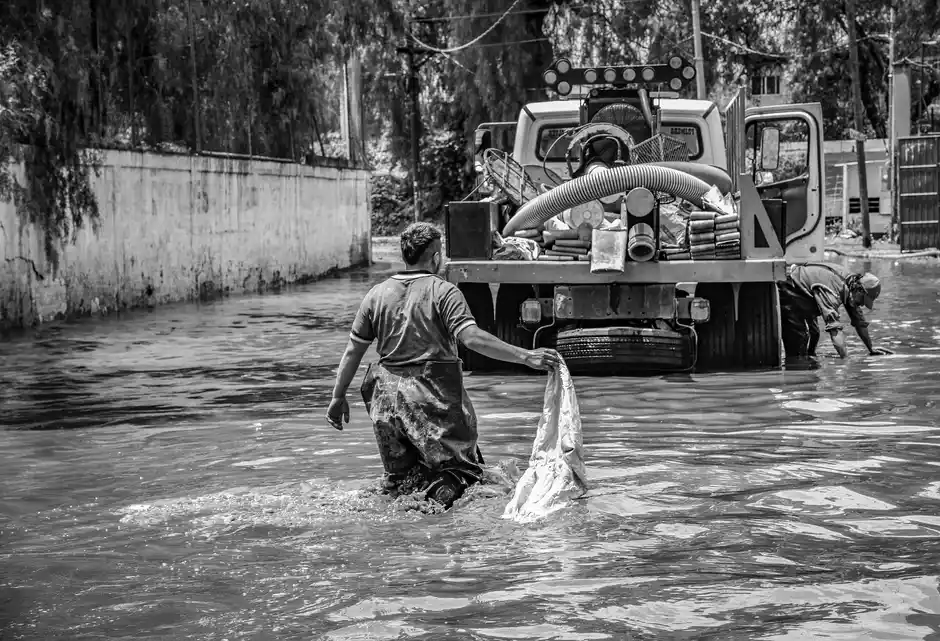
Aurora homes range from older properties with basements to newer houses with finished lower levels, utility rooms, and multiple bathrooms. A failed sump pump can affect stored items and carpet; a burst pipe can soak drywall before a ceiling stain appears; and an appliance leak can travel beneath cabinets. Our residential water damage restoration near Aurora, Illinois, starts by removing standing water and checking what has absorbed it. We protect clear walking routes, move equipment to keep access practical, and explain which materials can be dried in place. If you are managing a household during cleanup, we coordinate around essential rooms and keep the affected area defined. We serve properties in 60502, 60504, and across Aurora, with a plan based on the actual building and water source.
- Basement flood extraction — If your Aurora basement has pooled water after rain or sump pump failure, we remove it with equipment suited to the depth, then inspect floor edges and lower walls. We account for storage, carpet padding, and stair access so the drying setup addresses wet materials without needlessly taking over the entire home.
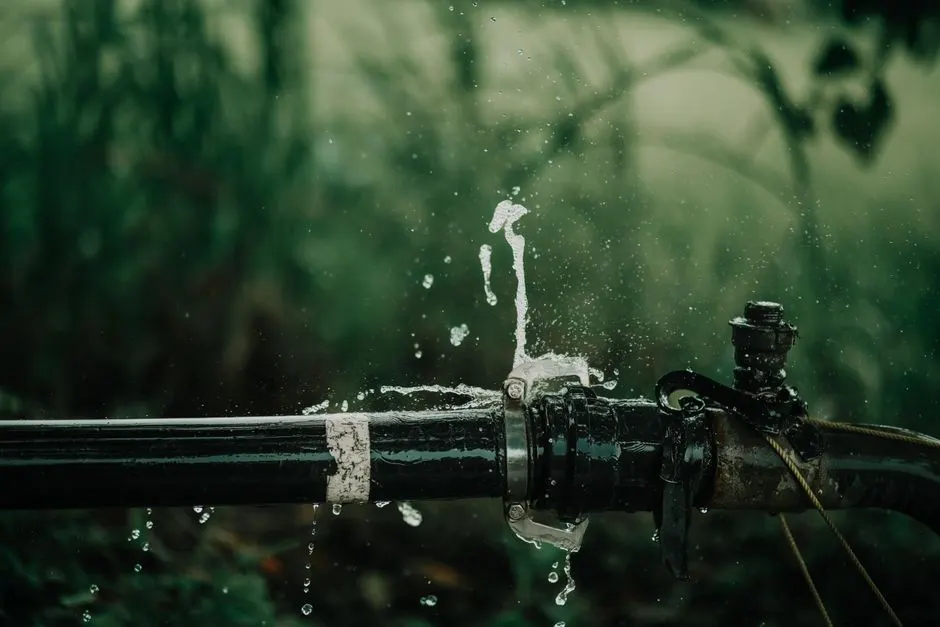
- Burst pipe water removal — A burst pipe can send water behind drywall or down through a ceiling before you find the source. We extract visible water, trace the affected path, and check adjoining surfaces. In Aurora homes, our crew coordinates equipment placement so plumbing repairs can continue while drying remains focused.
- Appliance leak cleanup — Washer hoses, refrigerator lines, and water heater connections can leak under cabinets or across flooring seams. We remove accessible water and inspect the cabinet base and neighboring room edges. You get a direct explanation of which materials are wet and whether they need further drying or removal.
- Sewage backup cleanup — A sewage backup needs isolation and careful removal to prevent contamination from reaching clean parts of your Aurora home. We use appropriate protective equipment, remove affected water and debris, and apply suitable disinfectant to impacted surfaces. We also identify porous materials that cannot be treated like a clean-water spill.