
Logo
Get Estimate

Sewage Backup Cleanup and Water Removal in Illinois

Contaminated water out, affected rooms cleaned and dried


Sewage Backup Cleanup and Water Removal in Illinois gets contaminated water out of basements and living spaces, then cleans and dries affected materials. We help homeowners, landlords, and businesses facing a drain backup, overflowing toilet, or sewer line failure. Sewage backup cleanup service in Illinois needs prompt containment because wastewater can spread through flooring and wall cavities; call us when the backup is active or standing water remains.

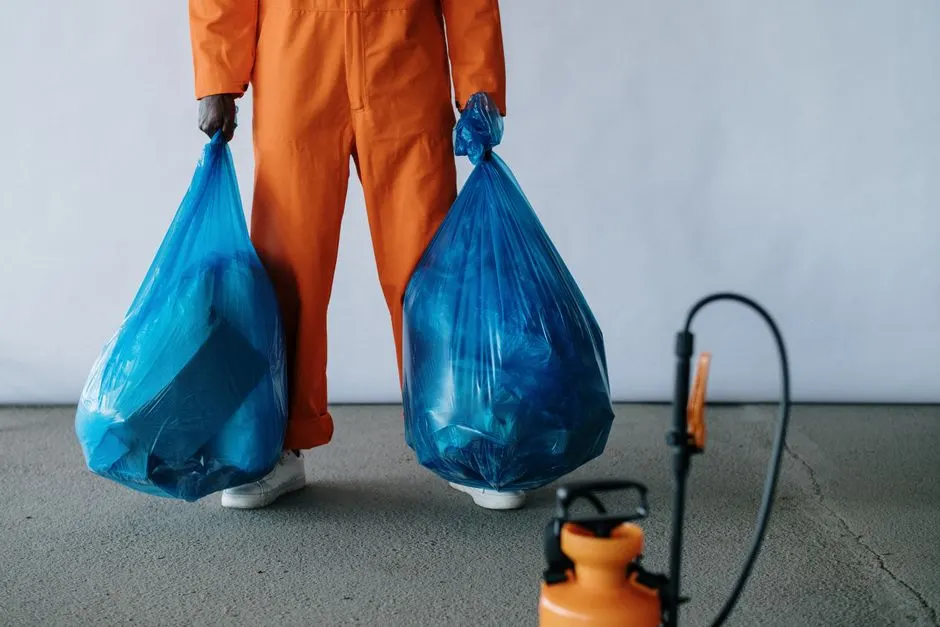
Sanitation worker in orange overalls holding blue trash bags indoors for waste management.
Licensed Licensed & Bonded
Fully Insured Insured & Bonded
24/7 Emergency Same-Day Response
Warranty Backed Workmanship Guaranteed

What's Included in Sewage Cleanup

Sewage Backup Cleanup and Water Removal in Illinois covers the immediate contaminated-water response: site assessment, isolation, extraction, removal of unsalvageable porous materials, cleaning of suitable surfaces, and moisture checks. We explain the cleanup work and price upfront. Plumbing repairs that stop the source, reconstruction, replacement finishes, and contents restoration require separate work, but our findings help you plan those next steps.

Affected Area Assessment

We identify the visible waterline, likely path of spread, and materials in contact with sewage. Our technician checks nearby floor edges and wall bases, then sets a work boundary that fits the room. This assessment guides extraction equipment and helps prevent avoidable traffic through contaminated areas.


Contaminated Water Extraction

We pump standing water according to its depth and remove the remaining liquid from accessible floor surfaces. A portable extraction pump or submersible pump handles different conditions. Our crew keeps equipment and collected wastewater within the planned work route.

Material Removal and Cleaning

Porous items that sewage has reached may need removal because residue can remain inside them. We remove affected carpet padding or other unsalvageable material, then clean appropriate hard surfaces with disinfectant and antimicrobial solution. Your technician explains each material decision as the work progresses.

Moisture Checks and Drying

We use a moisture meter to check flooring, wall bases, and other materials after extraction. Where readings show remaining moisture, we position air movers and a commercial dehumidifier. You receive an explanation of the readings and the expected drying sequence before equipment is taken away.

Sewage Backup Cleanup and Water Removal in Illinois


Sewage Backup Cleanup and Water Removal in Illinois is a contaminated-water restoration service that extracts sewage, removes unsalvageable materials, and cleans and dries affected building areas after a sewer backup. Our crew isolates the work zone, wears personal protective equipment, and removes standing water with a submersible pump or portable extraction pump. We then clean hard surfaces with disinfectant and antimicrobial solution and check moisture in nearby drywall and flooring. The work is documented by affected area and material, so you can see what was removed and what remains for drying.

Illinois homes face basement flooding after intense spring rain, frozen pipe bursts during winter cold, and sewer backups when a building drain or municipal line cannot carry flow. Older basements, finished lower levels, and shared building drains each create different cleanup challenges. If you are searching for sewage backup cleanup near me for a flooded basement, we trace the visible spread, contain it, and explain which porous materials need removal. Do not run a household vacuum or touch wastewater without protective equipment.

What to Expect During Cleanup

Sewage backup cleanup service in Illinois follows a controlled sequence so contaminated water does not spread while the room is being cleared. We start by assessing the source and affected materials, then move from extraction to sanitation and drying. A small, accessible backup may take several hours to extract and clean; drying can continue for 2 to 5 days depending on materials and readings.

01

Schedule

Call or book online — a real human picks up and confirms a 2-hour arrival window.

02

Diagnose

Licensed tech inspects on-site, then walks you through the cause and your options.

03

Fix

The job is completed to code and done right the first time — no shortcuts, no surprises.

04

Guarantee

Every job backed by a written workmanship warranty — and we stand behind it.

Equipment and Cleanup Methods

Tools & Equipment

Submersible pump

We use a submersible pump to remove deeper standing water from basements and utility rooms. Its role is bulk extraction; we follow with detailed surface extraction and moisture checks.

Portable extraction pump

A portable extraction pump helps remove water where a large unit cannot reach easily, including tight stairs and smaller rooms. We select it based on access and remaining water depth.

Moisture meter

Our technician checks moisture in flooring edges, drywall, and other accessible materials after the visible water is gone. Readings help direct drying and identify materials that need closer inspection.

HEPA air scrubber

A HEPA air scrubber with HEPA filter media can be used to manage airborne particles within an appropriately controlled work area. We position it to support containment and follow the site conditions.

Dri-Eaz commercial dehumidifier

A Dri-Eaz commercial dehumidifier removes moisture from the air during structural drying. We use it with air movers when moisture readings indicate that affected building materials need continued drying.

Methods & Standards

Contaminated-area containment

We establish a controlled work zone before moving sewage-soiled materials through the building. Polyethylene containment sheeting can separate the affected room from clean areas, while the crew uses personal protective equipment and keeps tools on the contaminated side. The setup is adjusted to the room layout and the route needed for extraction.

ANSI/IICRC S500 restoration principles

We apply relevant ANSI/IICRC S500 Standard for Professional Water Damage Restoration principles to assessment, water removal, and structural drying. The standard informs a measured process: identify affected materials, extract water, monitor moisture, and avoid closing damp assemblies. Sewage contamination also requires appropriate sanitation and material decisions.

Clean, disinfect, and verify

After extraction and removal of unsalvageable porous materials, we clean suitable surfaces and apply disinfectant according to the product label. We allow the required contact time and check the work area for residual moisture. The final check helps separate completed cleanup from repairs that remain.

When to Call for Cleanup

01

A basement floor drain pushes wastewater across a finished room after heavy rain.

What we do: Call while the affected area is still accessible and keep people and pets out. We assess whether the backup is active, contain the room, and extract water with a pump suited to the depth. Then we check flooring, carpet padding, and wall edges for contamination and moisture.

→ You get a controlled cleanup plan, less contaminated water left on the floor, and clear information about materials that need removal or drying.

02

A toilet or laundry drain overflows and wastewater reaches an adjoining hallway.

What we do: We trace the visible spread from the fixture, isolate affected rooms, and remove contaminated water. Our crew cleans suitable hard surfaces and checks seams and baseboards where water may have traveled. If porous materials were exposed, we explain what can be cleaned and what should be removed.

→ The affected route is cleaned methodically, and you know whether contamination reached beyond the original bathroom or laundry area.

03

A commercial or multi-unit building reports sewage in a shared basement utility space.

What we do: We set a work boundary that accounts for shared access, protect the route used by occupants, and remove standing water. Our team records affected surfaces and checks adjoining spaces before beginning sanitation. Building managers receive practical information for coordinating plumbing and repair work.

→ The contaminated zone is addressed without treating common traffic areas as part of the cleanup unnecessarily, and the manager has a clear follow-up plan.

04

A frozen drain line or plumbing failure causes a backup during a winter cold spell.

What we do: We focus first on contaminated water and affected building materials while you arrange for the plumbing source to be corrected. Pumps remove standing water; moisture checks guide any drying. We also note nearby frozen pipe burst water damage if a separate supply line has released water.

→ You can separate sewage cleanup from plumbing repair, reducing confusion about which damage came from the backup and which came from the pipe failure.

How Cleanup Works Across Illinois

Sewage Backup Cleanup and Water Removal in Illinois must account for both weather and building layout. November brings the start of freeze risk; winter can expose vulnerable drain and supply lines, while spring rain can load drainage systems and contribute to basement flooding. Older homes may have narrow basement stairs, masonry walls, or finished lower levels that complicate equipment access. Newer multi-unit buildings bring shared drains and common utility rooms, so we plan containment around resident movement and building operations. Our crew adapts equipment to the site rather than assuming every job is an open basement. A submersible pump clears deeper pools; portable equipment handles tight access, and moisture checks guide drying. Local plumbing and property requirements can differ by municipality and building type, so we do not treat cleanup as a substitute for correcting the sewer or drain source. If you need Illinois sewage extraction and disinfection service, tell us whether the backup is ongoing, what rooms are affected, and whether the building has shared drainage. We use those details to plan the cleanup sequence and protect unaffected areas.

Neighborhoods We Serve

  • Downtown Springfield

    Older commercial and residential buildings can have compact service areas and finished lower levels. We plan the equipment route and contain the work zone before extracting contaminated water.

  • North Evanston

    Basement layouts and multi-unit properties call for careful separation between affected rooms and shared access. We check floor edges and adjacent spaces after pumping.

  • Tinley Park subdivisions

    Finished basements and laundry areas can put sewage close to carpet, stored belongings, and drywall. We assess porous materials before setting a drying plan.

Local Conditions We Plan For

  • Freeze-thaw cycles stress exposed plumbing and drain lines

    Winter temperature swings can contribute to frozen pipe burst water damage or a drain backup. We distinguish sewage contamination from clean supply water and adapt extraction and sanitation to the source.

  • Heavy spring rain increases pressure on drainage systems

    A basement backup may happen alongside stormwater intrusion or groundwater seepage. We identify whether sewage is present, isolate the contaminated zone, and avoid treating mixed water as a routine clean-water leak.

  • Older basements often have narrow stairs and finished surfaces

    Restricted access affects pump selection and material removal. Our crew plans equipment placement and the route for bagged debris before work begins, helping keep unaffected rooms clear.

Basement Drain Backup

Before

A floor drain backed up after heavy rain, leaving several inches of wastewater across a finished basement laundry area. Carpet padding was wet, the lower drywall edge showed moisture, and stored items blocked the shortest path to the stairs. The room smelled strongly and could not be used safely.

After

Our crew isolated the room, pumped out the standing water, and removed sewage-affected padding. We cleaned suitable hard surfaces, checked the wall base and adjacent floor, and positioned drying equipment based on readings. The homeowner had a documented list of affected materials and a clear route for repair work.

Maintenance: Keep floor drains clear and arrange prompt plumbing attention if a drain gurgles or backs up repeatedly. Check the basement after major rain and avoid storing absorbent items directly on the floor.

Before

A toilet overflow spread from a lower-level bathroom into the hall, crossing flooring seams before the water was noticed. The visible puddle was limited, but the baseboard and nearby flooring felt damp. Household wiping removed surface water without addressing contamination in the seams.

After

We extracted the remaining water, cleaned appropriate hard surfaces, and checked the floor edges and baseboard with a moisture meter. The affected route was defined and the homeowner learned which finish materials needed further attention. The cleanup focused on the actual spread rather than the bathroom alone.

Maintenance: Address slow drains and recurring toilet overflows before they reach finished areas. Keep an unobstructed path to the bathroom and hall so a crew can inspect and contain the affected route quickly.

Before

A sewer backup left contaminated water around equipment in a shared basement utility room. Residents needed access to other parts of the building, and the manager needed to know which surfaces were affected before scheduling repairs. Water remained in low spots around the room.

After

Our team set a work boundary, removed the standing water, and cleaned suitable surfaces while keeping the common route clear. We checked the floor perimeter and recorded affected materials for the manager. The building could then coordinate plumbing correction and any necessary finish repairs using specific cleanup findings.

Maintenance: Have building staff report slow shared drains and recurring odors promptly. Keep utility-room access clear and document any repeat backup so plumbing professionals can investigate the source.

Problems Sewage Cleanup Can Resolve

A sewer backup leaves more than an unpleasant puddle: it can contaminate porous finishes, travel under flooring, and create hidden moisture behind walls. Sewage backup cleanup near me for a flooded basement should include controlled extraction and material checks, not just surface wiping. We address the visible mess and identify the conditions that need further work.

Problem

Sewage pooling around a basement floor drain

Wastewater can spread across flooring and into stored items, carpet padding, and wall edges. Continued foot traffic carries contamination into adjoining rooms.

Our Fix

We isolate the affected basement area, pump out standing water, and inspect nearby materials for contact and moisture. Our crew removes porous items that cannot be cleaned effectively, then cleans suitable surfaces with disinfectant. We also check the path to adjacent rooms so you know whether the work boundary needs to expand.

Problem

Toilet overflow reaching finished flooring

Contaminated water can move through seams and beneath flooring, leaving moisture after the visible surface appears clean. Delayed removal can complicate repairs.

Our Fix

We extract the water, clean affected hard surfaces, and check flooring edges and baseboards with a moisture meter. If water has entered carpet padding or other porous materials, we explain the removal needed. Drying equipment is placed only where readings and material conditions support it.

Problem

Backup after stormwater overloads a drain

Heavy rain can coincide with sewer surcharge or drainage problems, leaving a mixture of water and sewage in a lower level. The source and contamination category affect cleanup.

Our Fix

We assess the water as contaminated when sewage is present, contain the work zone, and remove water with appropriate pumps. Our crew cleans affected surfaces and documents materials that need removal. You can then coordinate a plumber or drainage professional to address the line or system problem.

Problem

Hidden moisture after water is pumped out

Damp underlayment, drywall, or insulation can remain behind a dry-looking surface. Covering it too early can trap moisture and delay restoration.

Our Fix

We check accessible materials with a moisture meter and identify areas that remain wet after extraction. Our team explains whether targeted removal or continued drying is appropriate, then places air movers and a commercial dehumidifier when needed. Follow-up readings show whether the affected materials are drying.

Safer, More Complete Recovery

Safer, More Complete Recovery

Our work focuses on removing contaminated water and addressing the materials it reached, not just making the floor look dry. You get a clear sequence: extraction, controlled cleaning, moisture checks, and drying equipment where needed. We keep the affected area separated from clean rooms and explain the next step before moving equipment or materials.

  • Contamination Contained

    We establish a work boundary with polyethylene containment sheeting where the layout calls for it, limiting foot traffic between the affected area and clean rooms. Our technicians use personal protective equipment and keep contaminated tools out of unaffected spaces. That separation matters when sewage has crossed a basement floor or reached stored belongings.

  • Water Removed Efficiently

    A submersible pump handles deeper standing water, followed by a portable extraction pump or truck-mounted water extraction unit for remaining liquid. The right setup reduces the amount left in floor seams and low spots. We measure the affected area rather than relying on appearance alone.

  • Hidden Moisture Checked

    Sewage can wick into carpet padding, drywall edges, and flooring underlayment after the visible pool is gone. We use a moisture meter to check those materials and identify where drying or removal is needed. Your drying plan is based on readings, not guesswork.

  • Clear Next Steps

    We separate urgent cleanup from repairs that follow, such as replacing removed drywall or flooring. You receive upfront pricing for the cleanup work and an explanation of the affected materials. For Illinois sewage water removal and sanitation, knowing what is clean, what is drying, and what needs replacement helps you plan.

Training and Work Standards

Licensed & Certified

  • IICRC Water Damage Restoration Technician — issued by Institute of Inspection, Cleaning and Restoration Certification
  • IICRC Applied Structural Drying — issued by Institute of Inspection, Cleaning and Restoration Certification
  • IICRC Applied Microbial Remediation Technician — issued by Institute of Inspection, Cleaning and Restoration Certification
  • OSHA Hazard Communication Standard — issued by Occupational Safety and Health Administration

Verified Reviews

Customer feedback ★★★★★5.0

A basement drain backed up and left sewage water near the laundry machines. The crew contained the area, pumped it out, and checked the wall edges instead of only cleaning the open floor. They explained what needed removal and what could be cleaned, which made the repair plan much easier to organize.

Customer feedback ★★★★★5.0

We had wastewater cross a bathroom threshold into the hallway. The technicians removed the water, cleaned the affected surface, and showed us where moisture remained near the baseboard. They were direct about the next steps and kept the rest of the house out of the work area.

Customer feedback ★★★★★5.0

Our shared basement utility room had a sewer backup after a storm. The crew set a clear boundary, removed the standing water, and gave our manager a useful description of the affected floor and materials. It helped us coordinate plumbing work and arrange the necessary follow-up repairs.

Field Knowledge and Training

Sewage Backup Extraction and Cleanup in Illinois takes more than pumping out a basement. Our crew works through contamination control, material decisions, sanitation, and structural drying in a defined order. We apply principles from the ANSI/IICRC S500 Standard for Professional Water Damage Restoration and use appropriate microbial-remediation practices when the conditions call for them. Our technicians explain what the readings mean in plain language, identify damage that should not be covered, and keep the cleanup focused on the rooms and materials affected.

  • Our technicians use IICRC Water Damage Restoration Technician training principles to assess water migration and plan controlled extraction.
  • IICRC Applied Structural Drying methods inform equipment placement and moisture checks when building materials remain wet.
  • For affected porous materials, we follow containment and hygiene practices aligned with IICRC Applied Microbial Remediation Technician training.
  • We follow OSHA Hazard Communication Standard practices for labeling, handling, and communicating chemical product hazards on site.
  • Our crew checks moisture in flooring edges and wall bases before recommending that you close or rebuild an affected area.
Get Started Today
Field Knowledge and Training

Cities We Serve Across Illinois

Our statewide coverage brings sewage backup cleanup service in Illinois to homes, rental properties, and businesses in communities with varied building layouts and weather exposure. We coordinate equipment and access around each affected property, whether the backup is in a finished basement, shared utility room, or ground-floor restroom. Tell us your city, the water depth, and whether the source is still active so our crew can plan the response.

Sewage Cleanup Questions Answered

Real answers to the questions we hear most often from local homeowners and property managers.

Is sewage backup cleanup safe to do without professionals?
No; sewage cleanup is not safe to do without proper protective equipment, containment, and sanitation procedures. Raw wastewater can carry harmful contaminants, and ordinary household cleaners may not address affected surfaces adequately. Keep people and pets away, avoid touching the water, and do not use a household wet/dry vacuum on sewage. Our crew assesses the affected area, removes contaminated water, and cleans salvageable surfaces using controlled methods.
How quickly can sewage water be removed in Illinois?
We aim to arrange emergency response as quickly as possible, and a typical accessible residential extraction takes about 1 to 4 hours. Actual timing depends on water depth, building access, and whether the sewer is still backing up. Drying may take another 2 to 5 days. If water continues to enter, tell us when you call and contact the appropriate plumber or utility to stop the source.
How much does sewage backup cleanup cost in Illinois?
A limited residential cleanup often falls around $1,000 to $5,000, while extensive contamination and demolition can cost more. Typical 2026 pricing depends on water volume, affected square footage, porous materials, access, and drying time. We provide upfront pricing for the cleanup scope so you can understand the work before it proceeds. Plumbing repairs, reconstruction, and contents replacement are separate needs.
What does sewage extraction and disinfection include?
Sewage extraction and disinfection includes isolating the work area, pumping out contaminated water, removing unsalvageable porous materials, cleaning suitable surfaces, and checking remaining moisture. Our Illinois sewage extraction and disinfection service uses the equipment appropriate to water depth and room access. Drying equipment is added when readings show moisture remains. We explain which surfaces were cleaned and which materials require later repair or replacement.

Related Cleanup Services

Emergency Water Extraction

Emergency Water Extraction addresses clean-water leaks that spread before you can shut off the source. We remove standing water from floors and accessible cavities, then check moisture in nearby materials. If the water is sewage, we use the separate containment and sanitation steps required for contaminated cleanup.

View Emergency Water Extraction

Flood Water Removal

Flood Water Removal clears water that enters during heavy rain, surface flooding, or stormwater intrusion. We identify the water category and affected materials before choosing equipment. When floodwater mixes with a sewer backup, we treat the affected area as contaminated and adjust cleanup accordingly.

View Flood Water Removal

Basement Water Removal

Basement Water Removal targets standing water in lower levels, including finished rooms, laundry areas, and utility spaces. A pump removes deeper pools, while extraction tools address residual water. If sewage is present, we also isolate the room, remove contaminated porous materials, and disinfect suitable surfaces.

View Basement Water Removal

Sump Pump Failure Water Removal

Sump Pump Failure Water Removal helps after a failed pump leaves water across the basement floor. We extract the water and check whether groundwater, stormwater, or sewage has entered. You can coordinate pump repair separately while we focus on removing water and drying affected building materials.

View Sump Pump Failure Water Removal

Storm and Rainwater Extraction

Storm and Rainwater Extraction addresses water entering through low openings, foundation gaps, or overwhelmed drainage. We remove the water and check floors and wall bases for moisture. If a sewer line also backs up during the storm, the cleanup shifts to contaminated-water controls and sanitation.

View Storm and Rainwater Extraction

Groundwater Intrusion Removal

Groundwater Intrusion Removal clears seepage that collects along basement walls or through floor joints. Our crew extracts accessible water and checks how far moisture has migrated. When groundwater is mixed with sewage from a backup, we contain the affected zone and clean it as contaminated.

View Groundwater Intrusion Removal

Call for Sewage Backup Cleanup in Illinois

Standing sewage should not sit in your basement or business. Our crew removes contaminated water, cleans affected surfaces, and checks materials for remaining moisture. Call +18668968166 now; our team follows OSHA Hazard Communication Standard practices on site.

Call now Call for Cleanup

Contact Our Team

Call Illinois Water Extraction Pros at +1-866-896-8166 any time, day or night, to report a leak, flooded basement, or stormwater intrusion. Tell us your Illinois community, the water source, and whether water is still entering; we will connect your request with an independent company serving the area. If there is an immediate electrical hazard, keep clear and contact emergency services.

Or call us right now at +18668968166 — we answer.

Illinois Water Extraction Pros


  • Phone

    +18668968166
  • Address

    Illinois

  • Hours

    Mon–Fri: 7AM – 7PM
    Sat: 8AM – 4PM
    Sun: Emergency Only
    24/7 Emergency Available

Call +18668968166 Get Quote
Call Quote