
Logo
Get Estimate

Burst Pipe and Plumbing Leak Water Removal in Illinois

We remove water and help protect your home


Burst Pipe and Plumbing Leak Water Removal in Illinois gets standing water out and starts structural drying for homeowners, landlords, and property managers facing a sudden pipe failure. Our team also provides Burst Pipe and Plumbing Leak Extraction in Illinois, tracing the affected rooms, removing wet materials when needed, and checking for moisture behind baseboards and under flooring. Call us when a frozen line splits, a supply hose fails, or a hidden leak soaks walls and floors.

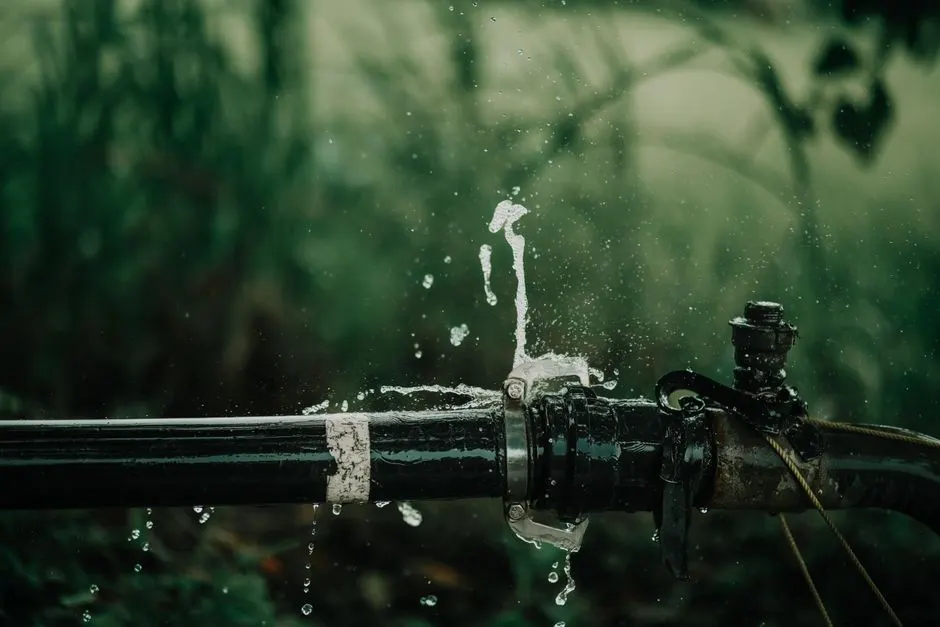
A detailed view of a leaking water pipe in a lush green garden setting.
Licensed Licensed & Bonded
Fully Insured Insured & Bonded
24/7 Emergency Same-Day Response
Warranty Backed Workmanship Guaranteed

What Pipe Leak Removal Includes

Burst pipe service covers assessment, standing-water extraction, moisture checks, and drying equipment for affected areas. We explain which materials can be dried and which are too saturated or damaged to retain. Plumbing repairs and reconstruction are handled as separate work when needed, but we coordinate the restoration sequence so extraction and drying can begin once the leak is controlled.

Water Source Review

We identify the reported leak area and confirm whether the water source has been shut off. You receive practical guidance about immediate hazards, including water near electrical equipment. We also note whether the water appears to come from a supply line, appliance connection, or drain before selecting cleanup methods.
Standing Water Removal

We extract pooled water using pumps or vacuum equipment suited to the depth and access. Detail work along edges and under accessible fixtures helps reduce residual water. The amount removed and the areas treated are recorded as part of the work plan.

Moisture Mapping

We check affected materials and nearby comparison points with a moisture meter, looking beyond the visible stain. Where readings indicate concealed wetness, we explain what needs further inspection. This helps identify damp drywall, flooring underlayment, or carpet padding that could otherwise be missed.

Structural Drying Setup

Air movers and a commercial dehumidifier are positioned to circulate air and collect moisture from the affected area. Equipment placement follows material conditions and room layout, not a one-size arrangement. We monitor readings and adjust the setup as the drying pattern changes.

Cleaning and Work Review

We clean affected surfaces when conditions call for it and review drying progress with you. If contaminated water or damaged materials require additional removal, we explain the reason and the next work step. The final review covers readings, equipment removal, and any remaining repair needs.

Burst Pipe and Plumbing Leak Water Removal in Illinois


Burst Pipe and Plumbing Leak Water Removal in Illinois is an emergency restoration service that extracts water and dries building materials after a plumbing line breaks or leaks. We start by locating the affected area and checking whether the water source is shut off; then we use a truck-mounted water extraction unit or portable extraction pump to remove standing water. Moisture readings guide the work in carpet padding, drywall, flooring underlayment, and wall cavities. The goal is to limit further material damage and identify what needs drying, cleaning, or removal.

Illinois homes face different pipe risks through the year: freezing temperatures can split lines in unheated spaces, while spring rain and thaw can compound basement flooding or groundwater seepage. A slow appliance leak can also saturate cabinets and flooring before you see a puddle. Our Illinois plumbing leak cleanup and drying approach suits both sudden failures and discovered leaks. If you are asking who removes water after a pipe bursts in a house, we pump out the water, measure affected materials, and set a practical drying plan.

What Happens During Service

Burst pipe response in Illinois follows a practical order: control the source, assess the damage, extract water, and dry the structure. We explain what we find as we work, protect unaffected areas, and keep you informed about the next measurable step.

01

Schedule

Call or book online — a real human picks up and confirms a 2-hour arrival window.

02

Diagnose

Licensed tech inspects on-site, then walks you through the cause and your options.

03

Fix

The job is completed to code and done right the first time — no shortcuts, no surprises.

04

Guarantee

Every job backed by a written workmanship warranty — and we stand behind it.

Equipment and Drying Methods

Tools & Equipment

Truck-mounted water extraction unit

We use truck-mounted equipment for larger accessible areas where high-volume water removal is needed. It helps clear standing water before detail extraction and structural drying begin.

Portable extraction pump

A portable extraction pump fits confined rooms, upper floors, and locations where a truck-mounted hose cannot reach effectively. We select it based on access and the water volume.

Submersible pump

For deeper basement water, a submersible pump moves pooled water out before we finish with vacuum extraction. Pump placement and discharge routing depend on the site conditions.

Moisture meter

We use a moisture meter to compare wet materials with unaffected reference areas. Repeated readings help us decide whether drywall, flooring, or other materials are drying as expected.

Dri-Eaz commercial dehumidifier

A Dri-Eaz commercial dehumidifier collects moisture from the air as materials release it. We pair dehumidification with directed airflow and adjust equipment placement as readings change.

HEPA air scrubber

A HEPA air scrubber with HEPA filter media helps control airborne particles when the work area requires air filtration. We use containment where appropriate to keep work separated from clean rooms.

Methods & Standards

ANSI/IICRC S500 restoration framework

We use the ANSI/IICRC S500 Standard for Professional Water Damage Restoration as a reference for assessment, water removal, drying, and documentation. The water source and affected materials guide decisions. We record conditions, monitor progress, and adjust the plan rather than treating every pipe leak as identical.

Moisture mapping and comparison readings

We record moisture in affected materials and compare it with nearby unaffected areas. Those measurements help identify hidden wetness and track drying over time. You can see why a material is being dried or removed, and follow-up checks show whether the setup needs adjustment.

Controlled extraction and airflow

We remove free water before positioning air movers and dehumidification equipment. Airflow is directed across wet surfaces to support evaporation, while the dehumidifier collects moisture from the room. We avoid relying on airflow alone when water remains trapped beneath flooring or inside a wall cavity.

Containment and surface cleaning

When conditions call for it, we use polyethylene containment sheeting to separate the work area and limit dust movement. We select cleaning products based on the water and material conditions, using disinfectant and antimicrobial solution where appropriate. Personal protective equipment follows the hazards identified during assessment.

When to Call Our Pipe Team

01

A frozen pipe splits overnight and water is pooling beneath a bedroom radiator before the family wakes.

What we do: We start by confirming the line is shut off and checking for electrical hazards. Then we extract pooled water, inspect flooring edges and the wall behind the radiator, and place drying equipment where readings show moisture. If the water entered a wall cavity, we identify the area for further inspection rather than leaving it unverified.

→ The standing water is removed, the affected materials are mapped, and you have a drying plan with specific follow-up checks instead of an unexplained wet patch.

02

A second-floor bathroom leak drips through the ceiling into a kitchen, leaving water in light fixtures and cabinets.

What we do: We treat the electrical risk first and keep people clear of wet fixtures. Once the plumbing source is controlled, we remove water from accessible surfaces, check the ceiling and cabinets for moisture, and document areas needing careful access. Our drying setup focuses on affected materials while repairs are coordinated.

→ You know which areas are wet and which need repair, and drying begins without overlooking the ceiling cavity or cabinet bases.

03

A washing machine hose fails while no one is home, soaking a laundry room and the hall beyond it.

What we do: We trace the water path from the appliance, extract standing water, and inspect the hall and room transitions. Carpet padding, flooring seams, and lower wall edges receive separate moisture checks. We position equipment to cover the connected rooms and monitor readings as the materials dry.

→ The affected footprint is defined, water is removed from accessible spaces, and equipment targets the wet rooms rather than the entire home.

04

A pinhole leak behind a kitchen cabinet is found after the toe kick and flooring begin to discolor.

What we do: We check the cabinet base, adjacent flooring, and nearby wall materials to determine how far the leak traveled. After the source is repaired, we remove accessible water and assess whether the flooring underlayment can dry in place. Where moisture readings remain elevated, we explain the access needed.

→ The hidden wet area is identified, the visible discoloration is not mistaken for the full damage, and you can plan drying and repairs from measured findings.

How Pipe Removal Works Across Illinois

Burst Pipe and Plumbing Leak Water Removal in Illinois has to account for cold winters, thaw periods, summer storms, and a wide mix of building types. In November and through winter, exterior-wall lines, garages, crawlspaces, and vacant properties deserve attention when temperatures drop below freezing; a frozen pipe burst can release water before anyone notices. During spring thaw, basement flooding and sump pump failure can compound a plumbing leak, while summer storms can add stormwater intrusion to the same cleanup. Older masonry buildings, multi-unit properties, and newer homes also differ in access to shutoffs, wall cavities, and shared plumbing runs. We check each affected zone rather than assuming the water stayed in one room. For Illinois plumbing leak extraction and structural drying, our crew documents moisture, selects pumps and drying equipment for the site, and follows applicable safety requirements and restoration standards. We coordinate with the plumbing repair so the source is controlled before drying work is considered complete. Local building code requirements and repair approvals vary by project; we focus our restoration work on safe extraction, drying, and clear communication about any repair work needed.

Neighborhoods We Serve

  • Downtown Chicago

    Condo and apartment leaks can travel through shared ceilings and service chases. We check the unit below and adjoining walls when the water path suggests it moved beyond the original room.

  • Oak Park historic districts

    Older homes can have plaster, masonry, and finished wood around plumbing runs. We use moisture readings and careful access planning to locate wet areas without assuming every surface can be opened the same way.

  • Joliet residential areas

    Basement utility rooms and finished lower levels often concentrate plumbing equipment and stored belongings. We plan extraction around stairs, floor drains, and the materials affected by the leak.

  • Palatine neighborhoods

    A burst line in a garage, laundry room, or exterior wall can affect adjacent finished rooms. We inspect transitions and cold-side walls rather than stopping at the visible puddle.

Local Conditions We Plan For

  • Subfreezing winter nights threaten pipes in exterior walls and garages

    Water released by a frozen pipe can enter insulation and wall cavities before reaching the floor. We check the cold-side wall and nearby rooms, then account for lower temperatures when positioning equipment and tracking drying progress.

  • Spring thaw raises basement moisture and sump pump demand

    A plumbing leak can overlap with groundwater seepage or a struggling sump pump, making the water source harder to separate. We map the affected areas and identify whether water is still entering before setting a drying plan.

  • Mixed older and newer construction changes access to wet cavities

    Plaster, drywall, masonry, and modern flooring respond differently to moisture and access. We inspect the actual assembly, check readings at multiple points, and explain where targeted opening or material removal is needed for effective drying.

Kitchen Supply Line Failure

Before

A failed sink supply line left water across a 180-square-foot kitchen and beneath the edge of adjacent flooring. The visible puddle was gone by morning, but cabinet bases and flooring seams remained damp. The homeowner could not tell whether the water had reached the hallway or whether the surface was the only area affected.

After

We extracted the remaining water, checked the kitchen and hallway with a moisture meter, and identified two wet transitions. Air movers and a dehumidifier ran through a monitored drying period of four days. The final check showed the targeted materials returning toward the comparison readings, and the homeowner had a clear repair list.

Maintenance: Inspect sink hoses and shutoff valves every six months, especially after moving appliances or storing items under the sink. Replace visibly cracked or bulging hoses promptly, and keep the cabinet base clear enough to spot a new leak.

Before

A pipe in a basement utility area split during cold weather, leaving water across roughly 2 inches of the floor near stored boxes. Water reached the base of a finished wall and pooled around the utility space. The owner had shut off the line but could not remove the deeper water with household towels.

After

We used a submersible pump for the deeper water, followed by detail extraction around the wall and stored items. Moisture checks identified a damp lower wall section, and equipment ran for five days with follow-up readings. The open floor area was cleared, and the owner could see which wall materials needed further repair.

Maintenance: Keep the main shutoff accessible and avoid storing valuables directly on a basement floor. Before freezing weather, check exposed lines in unheated spaces and make sure the utility area can be inspected quickly.

Before

A bathroom connection leaked onto the second-floor tile and dripped into the kitchen ceiling below. A ceiling stain measured about 3 feet across, but the water path reached beyond the mark and dampened a cabinet edge. The plumbing source was repaired before the full moisture footprint was known.

After

We extracted accessible water and checked the bathroom, ceiling perimeter, and kitchen cabinetry. Readings showed wetness beyond the stain, so the affected ceiling area was identified for access and drying. Air movement and dehumidification continued for four days, followed by a recorded check before equipment removal.

Maintenance: Check bathroom supply connections and visible seals during routine cleaning, and investigate any ceiling stain as soon as it appears. Do not rely on repainting a mark; find and repair the source before closing a wet ceiling.

Problems Solved After a Pipe Break

A pipe leak can leave more than a wet floor: hidden moisture, damaged finishes, and unsafe conditions can develop quickly. Illinois plumbing leak cleanup and drying addresses the water that remains after the visible spill is gone. We focus on the source area, material condition, and practical next steps.

Problem

Water running beneath flooring after a kitchen supply line breaks

Water trapped below finished flooring can swell materials and keep the room damp after the surface appears clean. Continued moisture can complicate repairs and spread into nearby cabinets.

Our Fix

We extract surface water, inspect seams and edges, and take readings in the flooring and nearby materials. If underlayment is saturated, we explain whether targeted removal is needed to expose it for drying. Air movers and dehumidification then address moisture that remains in materials we can retain.

Problem

A basement ceiling stain grows after an upstairs plumbing leak

Water can travel through a ceiling cavity before it appears as a stain, wetting insulation and framing beyond the visible mark. Delayed checks leave the full affected area uncertain.

Our Fix

We trace visible water patterns and compare moisture readings around the stain and adjacent rooms. If readings point to concealed wetness, we identify the area for careful access and drying. Once the pipe is repaired, we remove water and monitor the ceiling and nearby materials instead of treating only the paint surface.

Problem

Frozen pipe burst leaves standing water in an unheated room

A split line can release water into wall cavities and across floors while cold conditions slow drying. Wet insulation and drywall can remain damp even after the puddle is removed.

Our Fix

We pump out standing water, inspect cold exterior walls and floor edges, and map moisture in affected materials. We set drying equipment for the room and check readings as conditions change. If insulation or drywall cannot be dried effectively, we explain the removal needed before repairs.

Problem

A slow appliance leak soaks cabinets before discovery

Water can wick into cabinet bases, toe kicks, and flooring underlayment without creating a large puddle. The delayed discovery makes the visible footprint an unreliable measure of the damage.

Our Fix

We check the cabinet base and adjoining floor, extract accessible water, and record moisture readings. If the leak has reached concealed layers, we show you where readings remain elevated and recommend the appropriate drying access. We coordinate the cleanup with appliance or plumbing repair so the leak does not recur.

What Prompt Removal Protects

What Prompt Removal Protects

A fast response helps reduce how far water travels through floors, walls, and stored belongings. We focus on measurable progress: water removed, wet materials mapped, and drying equipment placed where readings show moisture. You get a clear sequence of work rather than guesswork.

  • Limit Water Spread

    Water moves through seams and beneath flooring while a leak remains active. We help isolate the wet area, extract pooled water, and check adjacent rooms with a moisture meter. In a typical room, removing standing water first lets us make a more accurate drying plan instead of running equipment across unaffected space.

  • Find Hidden Moisture

    A dry-looking surface does not prove the cavity behind it is dry. We compare moisture readings at wet and unaffected areas and use a thermal imaging camera to help locate temperature patterns that deserve closer inspection. That process is useful around baseboards, cabinets, and ceiling stains after a pipe failure.

  • Reduce Material Loss

    Carpet padding and flooring underlayment can hold water after the visible puddle is gone. We identify which materials are wet and which can be dried in place, then remove unsalvageable material where needed. That measured approach helps avoid unnecessary demolition while addressing saturated layers that slow drying.

  • Restore Usable Rooms

    A wet basement or kitchen disrupts daily routines quickly. We remove water, position air movers and a commercial dehumidifier, and track readings during the drying period. With equipment operating around the clock when the plan calls for it, you can see when the affected area is moving toward dry conditions.

Standards and Work Practices

Licensed & Certified

  • Water Damage Restoration Technician (WRT) — issued by Institute of Inspection, Cleaning and Restoration Certification
  • Applied Structural Drying (ASD) — issued by Institute of Inspection, Cleaning and Restoration Certification
  • Applied Microbial Remediation Technician (AMRT) — issued by Institute of Inspection, Cleaning and Restoration Certification
  • EPA Lead Renovation, Repair and Painting (RRP) certification — issued by U.S. Environmental Protection Agency

Verified Reviews

Customer feedback Not stated

A homeowner described a burst laundry line that wet the hallway and part of a bedroom. The crew removed pooled water, checked beneath the carpet edge, and explained why the padding needed inspection. The homeowner valued seeing the affected rooms mapped and receiving follow-up information during drying.

Customer feedback Not stated

After a basement pipe leak, a customer said the team pumped out the deeper water and checked the lower wall before placing equipment. They appreciated that the crew returned to record moisture readings instead of removing the dehumidifier based only on a dry-looking floor.

Customer feedback Not stated

A property manager reported a ceiling leak in a multi-unit building. The response identified water in the kitchen cabinet and ceiling perimeter, helping the manager coordinate plumbing repair and restoration. The notes made it clear which materials needed drying and which areas still required repair.

Training and Field Judgment

Our team applies established restoration practices to burst pipe and plumbing leak jobs, with attention to water category, building materials, and safe work conditions. IICRC Water Damage Restoration Technician (WRT) training supports assessment and drying decisions, while the ANSI/IICRC S500 Standard for Professional Water Damage Restoration provides a framework for restoration procedures. We document moisture conditions, select equipment for the affected space, and keep the plumbing repair separate from water removal when another trade must repair the line. You get a clear explanation of each step.

  • We map wet and unaffected areas before setting equipment, giving you a baseline for tracking progress instead of relying on touch alone.
  • Our crew distinguishes clean supply-line water from sewage backup or other contaminated water before choosing protective measures and cleaning methods.
  • We check carpet padding, drywall, insulation, and flooring underlayment separately because each material releases moisture at a different rate.
  • We use containment sheeting when work could carry dust into clean rooms, and HEPA filter media where air filtration is appropriate.
  • We coordinate extraction and drying with the plumbing repair so water is not introduced again before the source is secured.
Get Started Today
Training and Field Judgment

Cities We Serve in Illinois

Our Illinois coverage brings burst pipe response to homes and properties across multiple regions, from older buildings with concealed plumbing runs to newer neighborhoods with finished basements. Illinois burst pipe and plumbing leak water removal includes extraction, moisture checks, and drying matched to the affected structure. We serve Joliet, Palatine, and Oak Park, coordinating the work around the leak source, access, and the materials that became wet. Tell us where water is showing and whether the line has been shut off.

Frequently Asked Questions

Real answers to the questions we hear most often from local homeowners and property managers.

What should I do after a pipe bursts in my Illinois home?
Shut off the nearest safe water valve, keep away from electrical hazards, and call for emergency help immediately. If you can reach the main shutoff without crossing standing water, close it; otherwise, wait for qualified help. Move valuables only when safe, and take photos before cleanup. Emergency Burst Pipe and Plumbing Leak Water Removal in Illinois starts with stopping the source, checking hazards, and extracting water before it spreads farther.
How quickly can burst pipe water be extracted?
Extraction can often begin within 1 to 3 hours after arrival, and a typical one-room pump-out takes 1 to 4 hours. Actual timing depends on water depth, access, and whether the source is controlled. Our burst pipe water removal service in Illinois uses pumps for standing water and detail tools for edges; structural drying then commonly continues for 3 to 5 days with monitoring.
How much does plumbing leak water removal cost in Illinois?
A small, accessible leak cleanup may cost $250 to $900, while multi-room or basement extraction and drying can range from $1,000 to $5,000 or more. Typical 2026 pricing in Illinois depends on water volume, affected materials, contamination, equipment days, and access. We review the visible conditions and explain pricing upfront before authorized work begins. Plumbing repair and reconstruction are separate cost items when required.
Does water extraction include drying after a pipe leak?
Yes, a complete restoration plan pairs water extraction with drying when building materials are wet. Extraction removes free-standing water; air movers and dehumidifiers address moisture held in flooring, drywall, and other materials. We use moisture readings to monitor progress, often for 3 to 5 days. Illinois plumbing leak extraction and structural drying also includes identifying materials that cannot be dried effectively and require removal.

Related Water Damage Services

Emergency Water Extraction

Emergency Water Extraction addresses sudden water in rooms after a line breaks or a supply hose fails. We remove standing water promptly, check how far it spread, and connect extraction with drying. It is the direct companion service when a pipe leak has flooded more than one area.

View Emergency Water Extraction

Flood Water Removal

Flood Water Removal is suited to widespread water from a major plumbing failure or other indoor flooding. We assess water depth and affected rooms, select pumps for the volume, and check material moisture after visible water is gone. That keeps the cleanup focused on both the floor and hidden wet areas.

View Flood Water Removal

Basement Water Removal

A burst pipe in a basement can soak stored belongings, wall finishes, and flooring. Basement Water Removal targets pooled water and damp lower-level materials, with equipment selected for stairs, drains, and limited access. We also check whether a sump pump failure or groundwater seepage added to the water load.

View Basement Water Removal

Sump Pump Failure Water Removal

A failed sump pump can leave basement water standing even after a plumbing leak is stopped. We pump out the water, inspect affected lower-level materials, and set drying equipment based on moisture readings. If both a pipe break and pump failure occurred, one coordinated plan addresses each source.

View Sump Pump Failure Water Removal

Sewage Backup Cleanup and Water Removal

Water from a sewage backup requires different handling from a clean supply-line leak. We identify the water condition, use appropriate protective equipment, remove affected water, and clean impacted surfaces. If a pipe failure involves contaminated water, tell us what you observed so the response can match the hazard.

View Sewage Backup Cleanup and Water Removal

Storm and Rainwater Extraction

Stormwater can enter a basement at the same time a plumbing leak is discovered, complicating the source and the cleanup. We separate the affected zones, remove standing water, and check for moisture migration. That helps you distinguish pipe-related damage from water entering through doors, windows, or foundation openings.

View Storm and Rainwater Extraction

Call for Burst Pipe Water Removal

Get Burst Pipe and Plumbing Leak Water Removal in Illinois started before water travels farther into walls and flooring. Our team follows IICRC-informed restoration practices and explains the next step plainly. Call now to describe the leak and affected rooms.

Call Now Call for Help

Contact Our Team

Call Illinois Water Extraction Pros at +1-866-896-8166 any time, day or night, to report a leak, flooded basement, or stormwater intrusion. Tell us your Illinois community, the water source, and whether water is still entering; we will connect your request with an independent company serving the area. If there is an immediate electrical hazard, keep clear and contact emergency services.

Or call us right now at +18668968166 — we answer.

Illinois Water Extraction Pros


  • Phone

    +18668968166
  • Address

    Illinois

  • Hours

    Mon–Fri: 7AM – 7PM
    Sat: 8AM – 4PM
    Sun: Emergency Only
    24/7 Emergency Available

Call +18668968166 Get Quote
Call Quote