
Initial Water Assessment
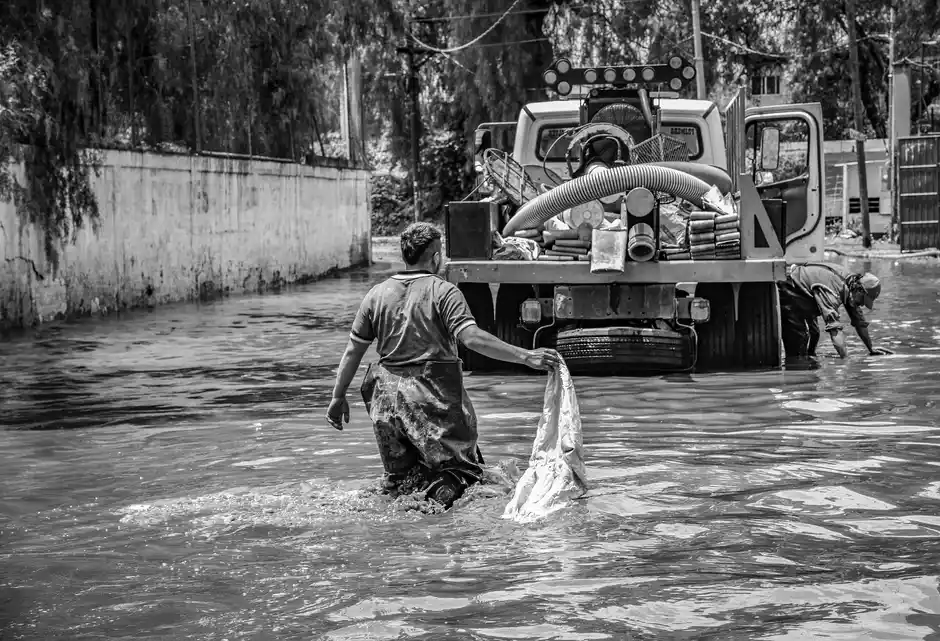
We identify the likely source, check access and safety, and assess affected rooms. Water type matters: a clean supply-line leak does not call for the same protective measures as sewage backup or stormwater with debris.
Basement Water Removal covers assessment, removal of standing water, moisture checks, and initial drying setup for affected areas. We explain additional work when contaminated water, damaged porous materials, plumbing repairs, or reconstruction are involved. You will know what our crew is doing and which parts of the recovery need a separate trade or follow-up.
We identify the likely source, check access and safety, and assess affected rooms. Water type matters: a clean supply-line leak does not call for the same protective measures as sewage backup or stormwater with debris.
We use suitable pumps and extraction equipment to remove accessible water from floors and low areas. The method depends on depth, floor finish, room access, and whether water is contaminated.
We measure affected materials and look for dampness beyond visible puddles. Readings help identify wet drywall, flooring underlayment, carpet padding, and other areas that need drying or removal.
We position air movers and dehumidification equipment to support drying after extraction. Equipment stays in place while readings show materials still releasing moisture, with adjustments made as conditions change.
We clean affected surfaces appropriate to the water source and explain when porous materials cannot be safely restored. Extensive demolition, plumbing repairs, and rebuilding are separate work from water extraction.
Basement Water Removal in Illinois is an emergency cleanup service that extracts standing water and begins drying affected building materials after a flood, leak, or plumbing failure. We inspect the water source and affected rooms, then use pumps or extraction equipment suited to the depth and floor surface. A moisture meter helps us check drywall, framing, and flooring underlayment beyond what looks wet. Removing water promptly limits continued absorption; drying and cleaning follow according to the contamination level and damage observed.
Illinois homes face basement flooding after intense rain, rapid snowmelt, frozen pipe bursts, and sump pump failure. Older masonry foundations and finished lower levels respond differently to water, so we check for groundwater seepage, wet carpet padding, and moisture behind drywall rather than relying on surface appearance. Our Illinois basement water removal service also addresses appliance leaks and water heater leaks. If you are searching for professional Basement Water Removal for Illinois homes, we can assess the source and begin extraction.
Basement Water Removal in Illinois follows a clear sequence: identify the hazard, remove water, document affected materials, and begin controlled drying. We explain each stage as we work, so you know what is happening in your home and what needs attention next.
Schedule
Call or book online — a real human picks up and confirms a 2-hour arrival window.
Diagnose
Licensed tech inspects on-site, then walks you through the cause and your options.
Fix
The job is completed to code and done right the first time — no shortcuts, no surprises.
Guarantee
Every job backed by a written workmanship warranty — and we stand behind it.
Truck-mounted water extraction unit
We use high-capacity extraction for accessible water across larger basement floors, reducing bulk water before detailed cleanup and drying.
Portable extraction pump
A portable pump fits tighter rooms, stairs, and areas where a truck-mounted hose or equipment setup is impractical.
Moisture meter
We measure moisture in affected materials and compare readings as drying progresses, including locations that do not look wet.
Commercial dehumidifier
After extraction, a commercial dehumidifier removes moisture from room air to support drying of damp structural materials and finishes.
Dri-Eaz air mover
We direct airflow across wet surfaces and into suitable spaces to speed evaporation while monitoring conditions and material response.
ANSI/IICRC S500 restoration principles
We use ANSI/IICRC S500 Standard for Professional Water Damage Restoration principles to guide assessment, extraction, cleaning, and drying decisions. Water source, contamination, affected materials, and measured moisture all shape the work. The standard supports a structured response rather than assuming every flooded basement needs identical treatment.
Moisture mapping and monitoring
We record affected locations and use moisture readings to track changes over time. Thermal imaging can help identify temperature differences that warrant closer inspection, while direct measurements confirm conditions. We adjust drying equipment when readings show a material is not progressing as expected.
Controlled structural drying
We combine air movement with dehumidification after bulk water is removed. Equipment placement accounts for room size, surfaces, and airflow paths, and readings determine when adjustments are needed. This method helps dry materials that remain wet after the visible puddles are gone.
Contamination-aware cleanup
We adapt cleaning and containment to the water source, especially for sewage or debris-laden stormwater. Protective equipment and isolation reduce the chance of spreading contaminants into unaffected rooms. Porous items are assessed individually because some cannot be safely restored by surface cleaning.
01
What we do: We check for electrical hazards and confirm the leak is controlled before entering the affected area. Then we extract water, inspect the ceiling and walls below the pipe, and set drying equipment according to moisture readings. If water reached insulation or enclosed cavities, we explain the next steps.
→ You get the standing water removed and a documented view of affected materials, allowing drying and repairs to proceed in the right order.
02
What we do: Our crew assesses depth and access, pumps out the low areas, and checks nearby flooring and stored items for moisture. We identify whether the water appears to be stormwater and use cleanup precautions suited to the conditions. You receive a clear account of the wet areas and drying needs.
→ The floor is cleared of pooled water, and hidden dampness near walls and stair edges is checked instead of overlooked.
03
What we do: We extract water from the utility area and carpet edge, check carpet padding and nearby drywall, and measure moisture past the visible stain. We also note whether the appliance is still leaking so you can arrange repair or replacement before drying equipment is removed.
→ You know how far the leak traveled and whether carpet padding or wall materials need additional drying or removal.
04
What we do: We treat the situation as potentially contaminated, restrict access, and use protective equipment while removing the water. The crew cleans affected hard surfaces and assesses porous items and flooring for removal. Drying starts after contamination-related cleaning is complete.
→ The affected area is cleared and handled with precautions appropriate to a backup, reducing the risk of tracking contaminated residue through the home.
Basement Water Removal in Illinois changes with the building and the weather. November freeze-thaw cycles can expose weak pipe sections, while spring rain and rapid snowmelt raise the risk of sump pump failure and groundwater seepage. Older homes may have masonry foundations, narrow stair access, or finished basements built over materials that hold water; newer construction can still experience drainage problems or appliance leaks. We plan access and equipment around the actual layout rather than assuming a clear utility-room route. Our Illinois basement flood cleanup response begins by checking the water source, electrical hazards, and contamination, then measuring affected materials and choosing extraction and drying methods. Local requirements for plumbing repairs, demolition, and reconstruction can vary by municipality, so we keep water removal distinct from regulated repair work and identify when a qualified trade is needed. Across the state, we coordinate crews and equipment for homes in larger cities and smaller communities. If you call after heavy rain, tell us whether the water is rising, where it entered, and whether the sump pump is running; those details help us prepare for the job.
Older residential blocks
Narrow basement stairs and masonry walls can limit equipment access. We plan hose routes and select portable equipment when a large unit cannot reach the lower level.
Finished lower levels
Carpet, drywall, and built-in storage can conceal water spread. We check edges and accessible materials rather than judging damage by the visible floor surface.
Homes near low-lying streets
Heavy rain can overwhelm window wells and basement entry points. We look for water tracks and debris that help identify where intrusion began.
Suburban utility basements
Water heaters, laundry appliances, and sump pits often sit close together. We separate active leak concerns from the water removal work and inspect nearby surfaces.
Freeze-thaw weather stresses exposed basement plumbing
A pipe can freeze during a cold snap and release water after temperatures rise. We check the visible path beyond the puddle because ceiling cavities and wall insulation may also be wet.
Spring storms deliver heavy rain and fast runoff
Water can enter through window wells, foundation joints, or low doors. The amount of debris and soil in the water affects cleanup precautions and which materials need closer inspection.
Older foundations can allow recurring seepage
Masonry walls and floor joints may show repeated dampness even after standing water is removed. We document affected locations so you can distinguish the immediate cleanup from longer-term drainage or foundation repairs.
A basement puddle can signal a larger problem beneath flooring or inside a wall. We trace visible water, remove it, and check materials that can hold hidden moisture. If you are wondering how to remove standing water from an Illinois basement, the answer starts with safe access, the right pump, and a drying plan based on measured conditions.
Problem
Water can soak cardboard, carpet padding, and lower drywall; prolonged dampness can create odor and damage finishes that looked dry at first.
Our Fix
We pump out standing water, inspect the floor perimeter and nearby wall materials, and set drying equipment where readings show moisture. We also point out signs of pump or discharge-line trouble that need repair, helping you address the immediate loss and the cause of repeat flooding.
Problem
Rain can spread under flooring and along the wall, leaving damp materials after the surface puddle disappears and making cleanup harder.
Our Fix
We extract pooled water, check the affected wall and floor edge, and map moisture into accessible materials. If water contains soil or debris, we adapt cleaning and protective measures. You receive practical findings to guide drying and any needed sealing or drainage work.
Problem
Water can move through ceiling cavities and down finished walls, damaging insulation and flooring beyond the room where the pipe opened.
Our Fix
Once the leak is controlled, we remove water from the floor and inspect the visible path. Moisture readings help locate affected drywall, insulation, and flooring underlayment. We establish drying and explain when opening a wall or replacing saturated material is necessary.
Problem
Contaminated water can expose people and pets to unsafe conditions and soak porous items that cannot be restored through ordinary surface cleaning.
Our Fix
We keep people away from the affected area, use appropriate personal protective equipment, and remove contaminated water using controlled procedures. Our crew cleans impacted surfaces and identifies porous materials that require removal. Drying begins after the cleanup phase is appropriate for the contamination.
Removing water is the first step; controlling the damage takes a measured plan. We focus on getting accessible water out, identifying materials that need drying or removal, and reducing the chance that hidden moisture is left behind. You get clear next steps based on what we find.
Standing Water Gone
We match extraction equipment to water depth, room access, and floor type. A submersible pump moves deeper water, while a portable extraction pump or wet/dry vacuum handles remaining shallow water. This staged approach helps clear a flooded utility room, finished basement, or storage area without treating every surface the same way.
Hidden Moisture Checked
A dry-looking wall can still hold water behind paint or baseboards. We use a moisture meter and thermal imaging camera to locate damp areas and track drying readings. You get a clearer picture of whether carpet padding, drywall, insulation, or flooring underlayment needs additional attention.
Safer Cleanup Decisions
Water from a sewage backup is handled differently from clear water from a supply line. We identify contamination concerns, use appropriate personal protective equipment, and isolate affected areas when needed. That helps you avoid spreading dirty water into clean rooms while the cleanup is underway.
Drying Starts Promptly
After extraction, we position air movers and a commercial dehumidifier to move moisture out of building materials. Readings guide adjustments rather than guesswork. Starting the drying phase right away helps protect framing and finishes and gives you a practical basis for deciding what can be cleaned or must be removed.
Google ★★★★★4.9
Our basement flooded after a pipe burst, and the crew removed the water before checking the adjoining room with a moisture meter. They explained the drying setup and returned to review readings. We knew what was wet and what had already dried.
Yelp ★★★★★4.8
Rain came through the basement window well and soaked the carpet edge. The team extracted the water, checked the baseboard, and explained what needed drying. They also helped us understand why the outside entry point still needed attention.
Google ★★★★★5.0
A sump pump failure left water around the utility room. The crew pumped it out, used drying equipment, and kept us informed about the affected floor and wall. The work was organized, and we appreciated the direct explanation of the next steps.
Our technicians handle basement losses from rain, plumbing failures, appliance leaks, and sewage backups throughout Illinois. We use established restoration practices, document moisture conditions, and choose methods based on the water source and materials involved. Training in IICRC Water Damage Restoration Technician principles supports consistent assessment and extraction; advanced drying work follows applicable structural-drying practices. We also pay attention to lead-safe work in older homes and respiratory protection where the conditions call for it. You get practical explanations, not a guess based on how the floor looks.
We deliver Basement Water Removal across Illinois with equipment and response planning suited to each home's access, water source, and building materials. Our coverage includes Peoria, Decatur, and Berwyn, along with communities across the state. Whether a basement floods after a storm or a pipe breaks indoors, our crew assesses the affected area, extracts water, and guides drying with measured checks. Call to describe your location and the conditions in your basement.
In Peoria, we remove water after sump pump failures, plumbing leaks, and storm intrusion. We check basement walls and flooring for moisture beyond the visible puddle, then set drying equipment to suit the space.
Our Decatur service handles standing water from burst pipes, appliance leaks, and heavy rain. We assess the source, extract water, and explain which materials need continued drying or removal.
In Berwyn, older basements and finished lower levels call for careful access and moisture checks. We pump out water, inspect affected wall and floor materials, and establish a practical drying plan.
Real answers to the questions we hear most often from local homeowners and property managers.
A sudden leak or flood can put inches of water across your basement before you can move stored items. Emergency Water Extraction focuses on rapid pumping and removal, followed by an assessment of wet materials so you know what needs drying next.
View Emergency Water ExtractionFlood Water Removal addresses larger volumes of stormwater or water entering through doors, windows, and foundation openings. We pump out the affected area, check for contamination, and set drying equipment based on the room and materials involved.
View Flood Water RemovalWhen a sump pump stops during heavy rain or a power interruption, water can collect quickly at the lowest point of your basement. We remove standing water, inspect the affected floor and walls, and help you identify whether the pump failure needs separate repair.
View Sump Pump Failure Water RemovalA backed-up drain can expose basement floors and belongings to contaminated water. We isolate the work area, use protective equipment, remove affected water, and clean impacted surfaces according to the conditions. Damaged porous materials may need removal rather than surface cleaning.
View Sewage Backup Cleanup and Water RemovalHeavy rain can push water through foundation cracks, window wells, or low entry points. This service removes stormwater and starts drying while we check how far moisture traveled into baseboards, flooring, and nearby wall materials.
View Storm and Rainwater ExtractionPersistent seepage through a basement wall or floor can leave damp areas even after visible water is gone. We extract pooled water, map moisture, and identify affected materials so you can address both the immediate cleanup and the source of continued intrusion.
View Groundwater Intrusion RemovalCall Illinois Water Extraction Pros at +1-866-896-8166 any time, day or night, to report a leak, flooded basement, or stormwater intrusion. Tell us your Illinois community, the water source, and whether water is still entering; we will connect your request with an independent company serving the area. If there is an immediate electrical hazard, keep clear and contact emergency services.
Phone
+18668968166Address
Illinois
Hours
Mon–Fri: 7AM – 7PM
Sat: 8AM – 4PM
Sun: Emergency Only
24/7 Emergency Available