
Logo
Get Estimate

Frozen and Burst Pipe Water Removal in Illinois

We remove pipe water and protect your home


Frozen and Burst Pipe Water Removal in Illinois gets standing water out after a pipe splits, then targets moisture trapped in floors, walls, and insulation. We help homeowners, landlords, and businesses facing a frozen pipe burst, including winter calls when water is spreading through a basement or finished room. Call us at +18668968166 for emergency help and a clear plan to dry the affected structure.

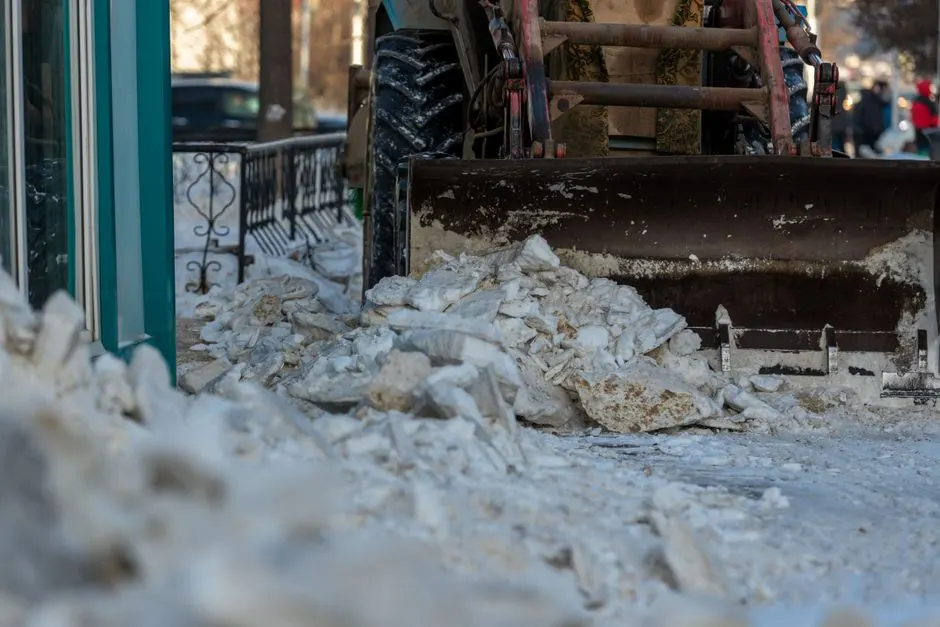
A snow plow clearing accumulated snow from an urban street during winter.
Licensed Licensed & Bonded
Fully Insured Insured & Bonded
24/7 Emergency Same-Day Response
Warranty Backed Workmanship Guaranteed

What Frozen Pipe Cleanup Includes

Our Frozen and Burst Pipe Water Removal work covers water assessment, extraction, drying equipment setup, and moisture checks tied to the affected area. We explain where water traveled and what materials need monitoring. Plumbing repairs, major reconstruction, and replacement of finishes are handled as separate work; we coordinate the sequence so mitigation can move forward once the leak is controlled.

Source and water assessment

We identify whether the pipe is still releasing water, note visible pooling, and trace likely migration into connected rooms or lower levels. You get practical direction about shutting off the supply and keeping away from wet electrical areas before extraction begins.
Standing water extraction

We use pumping and extraction suited to the depth and surface, removing water from floors, basements, and accessible carpeted areas. Extraction reduces the moisture load before drying begins and helps limit prolonged saturation of carpet padding and flooring underlayment.

Moisture checks and records

We check affected materials with a moisture meter and compare readings with less-affected areas. These checks help us locate moisture that remains behind a baseboard or below a visible surface and show whether drying equipment is moving materials toward dry conditions.

Drying equipment placement

We position air movers and dehumidification based on the room layout and wet materials. The equipment runs while moisture is removed from the structure, and we revisit readings to adjust placement or duration rather than leaving a setup unchecked.

Clear next-step handoff

We explain which areas are drying, what needs continued monitoring, and where plumbing or finish repairs are needed. You can use the documented conditions to coordinate with your plumber, building manager, or repair contractor after extraction and drying.

Frozen and Burst Pipe Water Removal in Illinois


Frozen and Burst Pipe Water Removal in Illinois is a water damage response service that extracts water released by a frozen or ruptured plumbing line and dries affected building materials. We first stop the active flow by coordinating with your plumber or locating the shutoff, then remove standing water with a truck-mounted water extraction unit or portable extraction pump. Moisture meter readings guide decisions about carpet padding, drywall, flooring underlayment, and insulation. Extraction is only the first stage; controlled drying helps limit swelling, staining, and microbial growth.

Illinois winter freezes put pipes at risk in crawlspaces, garages, exterior walls, and vacant buildings where heat is reduced. A pipe can split while frozen and release water after thawing, soaking a basement ceiling before anyone spots the leak. Our Illinois frozen and burst pipe water removal response addresses the water and the hidden moisture left behind. If you are asking who removes water after a frozen pipe bursts, our crew can pump, extract, document moisture, and set drying equipment while a plumber handles pipe repair.

What to Expect From the Process

Frozen and Burst Pipe Water Removal in Illinois follows a practical sequence: stop the source, remove water, assess materials, and dry the structure. We explain the immediate priorities before equipment is placed, then keep you informed as readings change.

01

Schedule

Call or book online — a real human picks up and confirms a 2-hour arrival window.

02

Diagnose

Licensed tech inspects on-site, then walks you through the cause and your options.

03

Fix

The job is completed to code and done right the first time — no shortcuts, no surprises.

04

Guarantee

Every job backed by a written workmanship warranty — and we stand behind it.

Equipment and Drying Methods

Tools & Equipment

Truck-mounted water extraction unit

We use this high-capacity extraction option for accessible areas with substantial water, reducing the volume left on hard floors and suitable carpeted surfaces.

Portable extraction pump

A portable extraction pump reaches interior rooms, tight access points, and areas where a truck-mounted setup cannot work directly. It helps remove pooled water before surface drying begins.

Moisture meter

We take readings in drywall, flooring, and other affected materials to locate hidden moisture and track whether drying is progressing between visits.

Commercial dehumidifier

This equipment removes moisture from the room air as water evaporates from wet materials. We size and place it around the affected area, then adjust the setup using follow-up readings.

Air mover

Air movers direct airflow across wet surfaces to support evaporation. We position them to treat the affected materials while preserving safe access through the room.

Methods & Standards

ANSI/IICRC S500 water restoration framework

We use the ANSI/IICRC S500 Standard for Professional Water Damage Restoration as a reference for assessment, extraction, drying, and documentation. The work still depends on the actual loss: water source, building materials, room conditions, and moisture readings guide each decision.

Source control before extraction

We confirm that water flow has stopped or is being controlled before treating the affected structure. A plumber repairs the damaged line; our crew focuses on water removal and drying. Separating those tasks helps prevent new water from defeating the extraction work.

Measured structural drying

We combine airflow and dehumidification, then compare moisture readings over time. Equipment stays in place while affected materials show a drying trend, not simply for a preset number of hours. This approach helps determine when the area is ready for repair.

When to Call Our Pipe Crew

01

A frozen supply line splits overnight and water is pooling across a finished basement floor.

What we do: Call us once you shut off the water, or while you are arranging help if you cannot locate the valve. We assess the pool depth, pump low areas, extract remaining surface water, and check whether carpet padding or nearby drywall has absorbed moisture.

→ You get standing water removed and a drying plan for the floor and nearby materials, with plumbing repair kept on the same urgent timeline.

02

A pipe bursts above a ceiling during a cold snap and water drips into an occupied room.

What we do: We identify the wet ceiling area and the room below, then coordinate extraction after the line is shut off. Moisture checks help locate spread beyond the stain, while air movement and dehumidification target the affected surfaces.

→ The leak source is handled by a plumber, while water removal and monitored drying address the ceiling and room rather than just the visible drip.

03

A commercial space reopens after a weekend freeze to find water around a utility room and corridor.

What we do: We assess access, standing water, and the route through affected rooms before bringing in the right extraction equipment. Our crew keeps walkways practical, documents wet materials, and sets drying so the property manager can plan safe access.

→ The building manager gets a defined affected area, water removed from accessible surfaces, and a drying status to guide repair and reopening decisions.

04

A rental property has a burst line behind a cabinet, with water reaching the kitchen floor.

What we do: We extract the water that has spread across the floor and inspect the cabinet edge, toe kick, and adjoining baseboards for moisture. After the plumbing repair, we use readings to decide where drying equipment needs to run.

→ The owner can see which materials are affected and coordinate mitigation with the plumber before flooring or cabinet repairs are scheduled.

How Pipe Cleanup Works Across Illinois

Frozen and Burst Pipe Water Removal in Illinois has to account for hard winter freezes, rapid thaws, and buildings with very different plumbing layouts. Older homes may have water lines near exterior walls or in unheated basements; commercial properties can have long corridors, utility rooms, and overhead piping that sends water into several occupied spaces. We plan access and equipment around the actual building rather than assuming every call is a single-room spill. Our Illinois frozen pipe water damage cleanup checks for water that has crossed floors or entered wall cavities, then uses readings to guide drying. If you need winter burst pipe extraction for homes and businesses, tell us whether the building is occupied, where the shutoff is, and what materials are visibly wet. Cold outdoor conditions can slow drying if rooms are not heated, while shared walls and finished ceilings can conceal the full path of the leak. We keep the sequence clear: stop the source, extract, dry, and document.

Neighborhoods We Serve

  • Elgin residential blocks

    Homes with basements and utility areas need close checks around foundation-level rooms, especially when a line bursts near a laundry space or exterior wall.

  • Des Plaines near the river corridor

    A pipe loss can overlap with existing basement moisture concerns, so we distinguish the burst-line water from other damp areas before setting a drying plan.

  • Downers Grove older homes

    Older layouts may include finished basements and long plumbing runs; we check connected rooms and ceiling cavities rather than limiting extraction to the first visible puddle.

Local Conditions We Plan For

  • Hard freezes followed by daytime thaw

    A frozen line can stay quiet overnight and begin leaking as ice thaws. We ask when water was first noticed and check the surrounding area because the release point may not be where the water appears.

  • Unheated basements and exterior-wall plumbing

    Cold rooms slow evaporation and pipes near outside walls are more exposed to freezing. We consider room temperature and access when placing air movers and dehumidification, then verify progress with readings.

  • Shared walls and multi-unit buildings

    Water can move between units or along shared framing before appearing on a ceiling. We inspect connected areas accessible to the customer and coordinate access so the affected path is not underestimated.

Basement Floor After a Pipe Split

Before

A supply line split near a basement laundry area, leaving about an inch of water across part of the floor and wet carpet at the room entrance. Stored items were close to the puddle, and the wall base looked dry. The source had been shut off, but water remained beneath the carpet edge and around the utility-room threshold.

After

We removed the pooled water, extracted the carpeted edge, and checked the floor and lower wall at multiple points. A drying setup ran for four days, with follow-up readings showing the affected materials moving toward dry conditions. The homeowner could see which storage items had stayed outside the wet area and which finishes needed repair.

Maintenance: Keep the basement temperature steady during severe cold and avoid storing boxes directly on the floor near plumbing. Check exposed lines and the utility-room threshold after a freeze, and know where the main shutoff is before a leak occurs.

Before

A frozen pipe above a finished room began leaking during a thaw. Water stained one ceiling section, dripped onto the floor, and dampened the wall below the line. The visible stain measured about three feet across, but the ceiling cavity and insulation could not be judged from the surface alone.

After

After the plumber repaired the line, we extracted water from the floor and checked the ceiling and wall around the stain. Moisture readings guided the drying setup over three days. The customer had a documented affected area and a clear repair handoff instead of relying on the stain's appearance to decide whether the ceiling was dry.

Maintenance: Before cold weather, keep vulnerable rooms heated and have exposed plumbing inspected by a plumber. If a ceiling stain appears, do not paint over it; check for an active leak and arrange moisture assessment before patching.

Before

A burst line in a commercial utility room released water into an adjoining corridor after hours. The water crossed roughly 20 feet of hard flooring and collected near a storage closet. Staff could not tell whether the corridor edge or the closet wall had absorbed moisture.

After

We pumped the low area, extracted the corridor surface, and checked the closet wall and floor edge. Air movers and dehumidification ran for three days while readings were monitored. The manager received a defined map of the affected zone and could keep unaffected areas available for staff access.

Maintenance: Mark the water shutoff and keep the route to utility equipment clear. During winter, inspect exposed piping and check the utility room after a freeze; a quick discovery can limit how far water travels through a corridor.

Problems From a Winter Pipe Burst

A split pipe can soak a room quickly, but the visible puddle is only part of the loss. We handle extraction and drying concerns common to Illinois homes and businesses, from basement flooding to hidden moisture behind finished walls. Our work focuses on reducing the water load and identifying the materials that need further attention.

Problem

Water trapped beneath finished basement flooring

Moisture under flooring can soften the underlayment and keep the surface damp after the visible water is gone. Delayed drying raises the risk of odor and material damage.

Our Fix

We extract accessible surface water, check the floor and adjoining baseboards with a moisture meter, and map the affected area. If readings show moisture beneath the finish, we explain the next step and keep drying equipment focused on the area that can be treated.

Problem

Burst line soaking a ceiling and the room below

Water can travel along framing before dripping through a ceiling, leaving insulation and drywall wet beyond the stain. A quick surface wipe will not dry concealed materials.

Our Fix

We trace the visible spread, inspect connected surfaces, and check affected materials before setting drying equipment. Once the plumber repairs the line, we extract water from the room below and monitor the ceiling and nearby walls for changing moisture readings.

Problem

Frozen pipe water reaching stored belongings

Boxes and furnishings can wick up water from a basement floor, while blocked airflow makes the area slower to dry. Items left in standing water may be damaged.

Our Fix

We remove standing water and identify the wet zone so you can move unaffected belongings away safely. Our crew uses extraction equipment and airflow to address the floor and accessible materials, then checks whether moisture remains around storage areas.

Problem

A thawed pipe leaking after the freeze

A pipe may not release water until ice begins to thaw, so a leak can continue unnoticed behind a wall or cabinet. The resulting water can spread before a stain appears.

Our Fix

We respond to the water damage after the plumbing source is controlled, looking beyond the first visible wet spot. We check nearby flooring, baseboards, and wall surfaces, extract accessible water, and set drying based on the moisture readings.

Drying That Limits Further Damage

Drying That Limits Further Damage

A burst line can wet more than the visible floor. We remove water, map the affected area, and establish drying conditions so you know what is wet and what needs attention. Each benefit is tied to a measurable step, not a broad promise.

  • Water out sooner

    We use a submersible pump for deeper water and extraction equipment for surface water, then check edges and low points where puddles remain. Removing bulk water promptly reduces the time flooring and carpet padding stay saturated. For an emergency Frozen and Burst Pipe Water Removal in Illinois call, tell us which rooms are affected and whether the water is still running.

  • Hidden moisture located

    Water often travels behind baseboards or beneath flooring before it becomes visible. We use a moisture meter to compare affected materials with dry areas and record readings at multiple points. That gives you a clearer picture of what needs drying, instead of relying on a dry-looking surface.

  • A controlled drying plan

    Air movers and a commercial dehumidifier move moisture out of materials and into the air for removal. We position equipment around the wet area, check readings during the drying period, and adjust airflow when the numbers stall. Your rooms are treated according to their materials and moisture load.

  • Clear handoff for repairs

    We separate water mitigation from plumbing repair and explain which materials are wet, salvageable, or damaged. Photos and moisture readings help you coordinate the next step with your plumber, property manager, or insurer. Illinois Frozen Pipe Flood Cleanup and structural drying can begin while pipe repair is arranged.

Training and Work Standards

Licensed & Certified

  • Water Damage Restoration Technician — issued by Institute of Inspection, Cleaning and Restoration Certification
  • Applied Structural Drying — issued by Institute of Inspection, Cleaning and Restoration Certification
  • Applied Microbial Remediation Technician — issued by Institute of Inspection, Cleaning and Restoration Certification
  • EPA Lead Renovation, Repair and Painting certification — issued by United States Environmental Protection Agency

Verified Reviews

Customer feedback Not stated

A homeowner in Elgin described a laundry-room pipe break that spread into the basement. The crew pumped the low area, checked the wall base, and explained why drying equipment stayed in place after the carpet looked dry. The useful part was having readings and a clear explanation of what remained wet.

Customer feedback Not stated

A property manager in Des Plaines reported a winter leak in a vacant unit. The team removed water from the corridor and rooms, then shared the affected-area findings so plumbing repair and flooring work could be coordinated. The manager noted that the crew distinguished the leak response from the pipe repair.

Customer feedback Not stated

A Downers Grove homeowner called after a kitchen line split overnight. Water was extracted from the floor, and the crew checked beneath the cabinet edge rather than stopping at the visible puddle. Follow-up readings helped the homeowner understand when drying was complete and what repairs remained.

Field Knowledge for Pipe Losses

Frozen pipe cleanup takes more than a pump: the crew must trace where water traveled and dry materials without spreading contamination or causing avoidable damage. Our technicians follow IICRC Water Damage Restoration Technician (WRT) practices and use the ANSI/IICRC S500 Standard for Professional Water Damage Restoration as a framework for water mitigation. We handle occupied homes, rental properties, and commercial spaces, adapting the work to the leak location, building materials, and access. We do not claim a fixed number of years or jobs; we put the focus on documented readings, safe equipment placement, and a clear handoff.

  • We identify the water source and affected materials before choosing extraction equipment or setting drying equipment.
  • Our crew uses moisture readings to track progress instead of judging dryness by touch or appearance alone.
  • We separate plumbing repair from water mitigation and coordinate the sequence so drying can start once the leak is controlled.
  • Technicians use personal protective equipment and follow OSHA Hazard Communication Standard practices when handling products.
  • We explain whether wet drywall, insulation, or flooring underlayment needs additional evaluation before repairs begin.
Get Started Today
Field Knowledge for Pipe Losses

Cities We Serve Across Illinois

We deliver Frozen and Burst Pipe Water Removal across Illinois, adapting equipment and access plans to each property rather than treating every call alike. Our coverage includes Elgin, Des Plaines, and Downers Grove, where winter pipe losses can affect basements, kitchens, utility rooms, and shared building spaces. For Frozen Pipe Flood Cleanup in Illinois, tell us your city, the building type, whether water is still flowing, and which rooms are affected. That information helps us plan the first extraction and moisture checks.

Frozen Pipe Cleanup Questions

Real answers to the questions we hear most often from local homeowners and property managers.

What should I do if a frozen pipe bursts in my Illinois home?
Shut off the main water supply immediately, then call for emergency extraction and a plumber to repair the pipe. If water is near outlets or appliances, avoid the area and do not touch wet electrical equipment. Move dry belongings away from the spill if you can do so safely. We can begin Illinois frozen and burst pipe water removal once the source is controlled, pump standing water, and check nearby walls and floors for hidden moisture.
How quickly can frozen pipe water be removed?
A small room can often be extracted in one to three hours, while a flooded basement may take several hours or more. The actual time depends on water depth, room access, and how many materials are saturated. We remove standing water first, then set drying equipment and monitor moisture; structural drying commonly takes three to five days. Tell us whether water is still flowing when you call so we can prioritize the first steps.
How much does Frozen Pipe Flood Cleanup cost in Illinois?
A contained residential cleanup often costs $500 to $2,500, while extensive multi-room losses can reach $3,000 to $10,000 or more. Typical 2026 pricing depends on water volume, affected materials, equipment days, access, and whether contaminated water is present. We give upfront pricing before work begins. Pipe repair, reconstruction, and replacement of damaged finishes are separate from extraction and drying.
Does pipe burst cleanup include drying and moisture checks?
Yes, our pipe cleanup includes moisture assessment, water extraction, drying equipment placement, and follow-up readings for the affected area. We use a moisture meter to check materials such as drywall and flooring, then adjust air movers or dehumidification when readings show progress has slowed. If materials need removal or rebuilding, we explain that next step separately. Dry surfaces alone do not prove that hidden moisture is gone.

More Water Damage Services

Emergency Water Extraction

When a frozen pipe releases water into several rooms, emergency extraction removes the immediate pooling before it spreads further. We assess depth and access, pump standing water where needed, and move to surface extraction so drying can start without delay.

View Emergency Water Extraction

Flood Water Removal

A burst pipe can flood a lower level just like other indoor water events. Flood Water Removal addresses larger volumes across basements and utility rooms, with pumping, surface extraction, and a moisture assessment that identifies affected building materials.

View Flood Water Removal

Basement Water Removal

Basement ceilings, finished walls, and stored belongings are vulnerable when a frozen line runs overhead. Basement Water Removal focuses on low-level pooling and water that has traveled under flooring or behind finished surfaces, followed by a drying plan suited to the basement.

View Basement Water Removal

Sump Pump Failure Water Removal

A sump pump failure can compound a burst pipe loss by leaving water trapped in the basement. We remove pooled water, inspect the affected floor and lower walls, and set drying equipment after the source of the water and pump issue are addressed.

View Sump Pump Failure Water Removal

Sewage Backup Cleanup and Water Removal

If a pipe failure coincides with a sewage backup, the water requires a different safety approach than clean supply-line water. We identify the affected area, use appropriate protective measures, and explain the cleanup steps before contaminated materials are handled.

View Sewage Backup Cleanup and Water Removal

Storm and Rainwater Extraction

Winter storms can bring water through foundation openings while frozen plumbing adds a separate leak source. We distinguish the affected water pathways, extract standing water, and evaluate materials so your drying plan addresses both the pipe loss and stormwater intrusion.

View Storm and Rainwater Extraction

Call for Frozen Pipe Water Removal

Frozen and Burst Pipe Water Removal in Illinois starts with controlling the leak and getting standing water out. Our team is ready for emergency calls; phone +18668968166 now and tell us where the water is spreading.

Call Now Call for Help

Contact Our Team

Call Illinois Water Extraction Pros at +1-866-896-8166 any time, day or night, to report a leak, flooded basement, or stormwater intrusion. Tell us your Illinois community, the water source, and whether water is still entering; we will connect your request with an independent company serving the area. If there is an immediate electrical hazard, keep clear and contact emergency services.

Or call us right now at +18668968166 — we answer.

Illinois Water Extraction Pros


  • Phone

    +18668968166
  • Address

    Illinois

  • Hours

    Mon–Fri: 7AM – 7PM
    Sat: 8AM – 4PM
    Sun: Emergency Only
    24/7 Emergency Available

Call +18668968166 Get Quote
Call Quote