Logo
Get Estimate

Flood Water Removal in Illinois for Flooded Homes

We pump standing water and start structural drying promptly


Flood Water Removal in Illinois helps homeowners and property managers get standing water out before it spreads into drywall, flooring, and stored belongings. We handle basement flooding, stormwater intrusion, and plumbing failures with pumps, extraction equipment, and measured drying. Our Illinois flood water removal service begins with a safety check and a clear plan, so you know what happens next and what needs attention first.

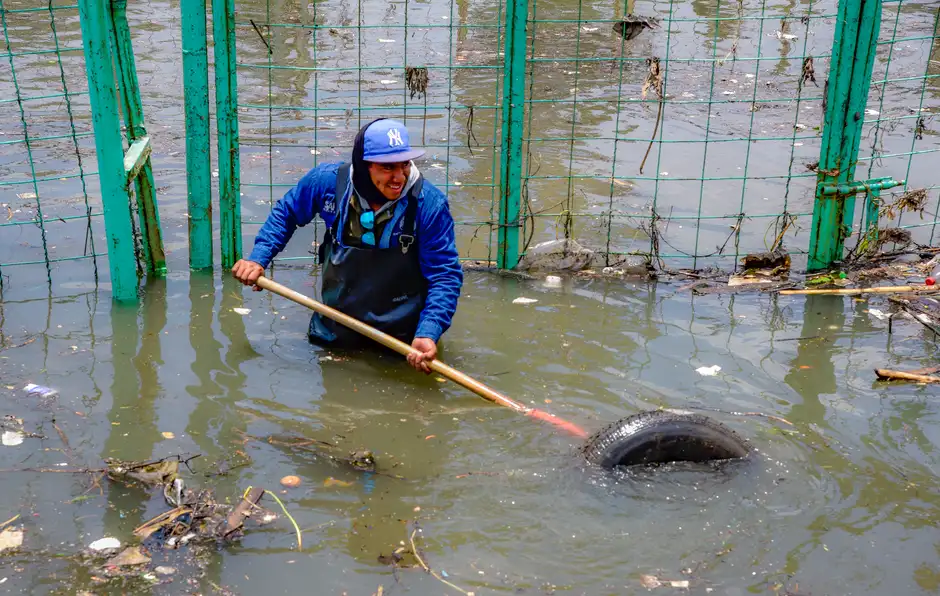
Man removing debris from flooded polluted water with a stick, highlighting urban pollution.
Licensed Licensed & Bonded
Fully Insured Insured & Bonded
24/7 Emergency Same-Day Response
Warranty Backed Workmanship Guaranteed

What Flood Water Removal Includes

Our flood cleanup covers hazard checks, standing-water pumping, surface extraction, affected-material assessment, and drying setup. Cleaning and antimicrobial treatment are selected for the water source and surfaces involved. We explain any material removal before doing it. Reconstruction, plumbing repair, foundation work, and replacement finishes are separate repair tasks, but we identify visible needs so you can plan the next phase without confusing restoration with rebuilding.

Water Source Assessment

We identify whether the water came from rain, groundwater, a plumbing failure, or a sewer backup and check whether it is still entering. That classification guides protective measures, extraction methods, and which materials can be cleaned. We also look for electrical hazards and safe routes through the work area.

Pumping and Extraction

We remove pooled water with a submersible pump or extraction unit selected for the depth and site access. Portable equipment handles corners, stairs, and smaller rooms after bulk pumping. We check low points and floor edges so visible water is not the only area considered.

Material and Moisture Checks

We inspect porous materials such as carpet padding, drywall, insulation, and flooring underlayment, then use moisture readings to guide drying or removal. You receive a clear explanation of affected areas and why each material is being treated, dried, or taken out.

Cleaning and Drying Setup

Suitable surfaces are cleaned after water removal, with disinfectant or antimicrobial treatment used when the water category calls for it. Air movers and dehumidifiers are placed to support controlled drying. Follow-up checks help determine when equipment can be adjusted or removed.

Flood Water Removal in Illinois: The Work


Flood Water Removal in Illinois is an emergency property restoration service that removes standing floodwater and starts drying water-damaged building materials. We first identify electrical, sewage, and structural hazards, then use a submersible pump or truck-mounted water extraction unit for bulk water. Portable extraction tools and water-absorbent extraction pads address the remaining surface moisture. Moisture readings guide decisions about carpet padding, drywall, and flooring underlayment; drying equipment is placed only after the affected areas are assessed and documented.

Illinois homes face basement flooding after intense rain, groundwater seepage through foundation joints, sump pump failure, and burst pipe water damage during winter freezes. Older masonry basements and finished lower levels need different handling from slab floors or newer construction. If you are searching for professional Flood Water Removal for Illinois homes, we trace the water source, separate clean water from sewage backup, and check concealed cavities before drying. Early removal limits material damage, but contaminated water requires protective controls and appropriate disposal.

Our Floodwater Removal Process

Floodwater Extraction in Illinois follows a controlled sequence because pumping alone does not remove moisture held in building materials. We explain hazards and priorities first, then move from bulk water to cleaning and verified drying. You will know which rooms are being addressed and what readings or changes we are tracking at each visit.

01

Schedule

Call or book online — a real human picks up and confirms a 2-hour arrival window.

02

Diagnose

Licensed tech inspects on-site, then walks you through the cause and your options.

03

Fix

The job is completed to code and done right the first time — no shortcuts, no surprises.

04

Guarantee

Every job backed by a written workmanship warranty — and we stand behind it.

Equipment and Drying Methods

Tools & Equipment

Truck-mounted water extraction unit

Moves large volumes of water from accessible properties and supports rapid removal from broad floor areas. We use it when hose routing and site access are suitable.

Portable extraction pump

Handles standing water in tighter rooms, stairs, and areas where a large unit cannot reach. It helps remove residual water after bulk pumping.

Moisture meter

Measures moisture in materials such as drywall and framing, allowing us to compare affected readings with unaffected reference areas and track drying.

Air mover and commercial dehumidifier

Circulates air across damp surfaces while removing moisture from the room. Placement is based on the affected layout and readings, not on a fixed equipment count.

HEPA air scrubber

Filters airborne particles during controlled cleanup when the work conditions call for containment and air management. We position it to support the work area rather than substitute for source removal.

Methods & Standards

ANSI/IICRC S500 restoration principles

We use the ANSI/IICRC S500 Standard for Professional Water Damage Restoration as a framework for assessing water category, documenting affected materials, and planning extraction and drying. The standard supports a measured process: identify the source, control hazards, remove water, clean as appropriate, and verify drying conditions.

Moisture mapping and verification

We record readings across affected materials and compare them with reference locations. Follow-up measurements show whether drying is progressing and help us adjust equipment or investigate hidden moisture. This method avoids deciding that a room is dry based only on touch or appearance.

Source-based contamination control

Rainwater, supply-line water, and sewage require different handling. We select protective equipment, isolation, cleaning, and disposal steps based on the source and site conditions. When porous materials are contaminated or cannot be dried effectively, we explain removal before proceeding.

When Floodwater Needs Extraction

01

A November cold snap freezes a supply line, then thawing sends water across a basement utility room.

What we do: We check that the pipe has been isolated and the electrical area is safe, then pump standing water and inspect nearby walls. Moisture readings show whether water travelled behind the visible spill. We set targeted drying equipment after the plumbing repair stops the source.

→ The pooled water is removed and the wet area is mapped, giving you a safer, measurable route to drying and repair.

02

Spring rainfall overwhelms a window well and pushes water into a finished lower level.

What we do: We extract the water, check the wall-floor seam and carpet padding, and separate wet contents from clean areas. If water keeps entering, we document the location so the opening or drainage problem can be corrected alongside cleanup.

→ You get a cleared floor, identified wet materials, and a specific account of where water entered rather than a surface-only cleanup.

03

A sump pump stops during an overnight storm, leaving several inches of water around storage and mechanical equipment.

What we do: We assess the electrical risk and water depth, then use a pump suited to the volume and access. After bulk removal, we inspect the nearby drywall and stored items, extract residual water, and position drying equipment where readings show retained moisture.

→ The basement is no longer holding pooled water, and you know which contents and building materials need cleaning, drying, or replacement.

How Floodwater Work Runs in Illinois

Flood Water Removal in Illinois has to account for sharp seasonal changes: November cold snaps and winter freezes can split pipes, while spring storms and summer downpours push water through window wells and foundation joints. Older basements may combine masonry walls, finished drywall, and several layers of flooring, so water can hide below the surface. Newer homes still face sump pump failure, appliance leaks, and overwhelmed drainage. We adapt the extraction plan to the building, water source, access, and temperature rather than using one setup everywhere. Our Illinois flood water removal service starts with safety, source control, and water classification, then moves to pumping and measured drying. If you are wondering about Illinois Floodwater Extraction and structural drying, the key is checking concealed spaces as well as visible floors. Where work affects older painted surfaces, lead-safe requirements and applicable local rules are considered before disturbance. We document the condition and explain which restoration steps address the water and which repairs require a separate trade.

Neighborhoods We Serve

  • Chicago bungalow basements

    Older basement layouts can include masonry walls and finished lower rooms. We check wall-floor joints and flooring layers where stormwater can remain out of sight.

  • Rockford residential blocks

    Cold-weather pipe failures and heavy rain can affect basements and utility rooms. We assess water depth, access, and nearby mechanical equipment before pumping.

  • Cicero two-flats

    Shared building layouts call for careful separation of affected and unaffected areas. We track which rooms and materials were exposed so cleanup stays contained.

  • Oak Lawn homes

    Finished basements and sump systems can be affected by intense rainfall. We inspect window wells, floor edges, and pump discharge conditions during the assessment.

Local Conditions We Plan For

  • Freeze-thaw cycles stress plumbing in unheated areas

    A pipe can freeze during a cold snap and release water after thawing. We prioritize source control and inspect walls or ceilings along the line, because the visible pool may not show the full travel path.

  • Heavy rainfall loads basement drainage systems

    Sump pumps and window wells can be overwhelmed during prolonged or intense rain. We remove collected water, check the lowest points, and identify continuing entry so drying is not undermined by another inflow.

  • Older finishes conceal moisture behind surfaces

    Masonry, layered flooring, and finished drywall can retain water after the room looks dry. Moisture readings and targeted inspection help determine whether materials can dry in place or need controlled removal.

Basement After Sump Failure

Before

A failed sump pump left about 2 inches of water across a finished basement, wetting carpet edges and stored boxes. The floor looked clear near the stairs, but water remained in low corners and the base of a drywall partition. The homeowner needed the pump failure addressed and a clear view of which materials were affected.

After

We pumped the standing water, extracted the remaining surface moisture, and checked the carpet edge, wall base, and storage area. Readings identified damp material beyond the visible pool, and drying equipment was set for the affected zone. The bulk water was removed that day; follow-up readings tracked drying over the next several days.

Maintenance: Test the sump pump every few months by adding water to the pit and confirming discharge. Keep the outlet clear, inspect backup power, and move stored items off the floor so a future overflow is easier to spot.

Before

A storm pushed water through a basement window well and left a shallow pool across a storage room. Cardboard boxes absorbed water, while the adjacent finished wall and floor edge felt cool and damp. The source was still active during heavy rain, so cleanup needed to account for continued entry.

After

We removed pooled water, separated soaked contents, and inspected the wall-floor seam and nearby finishes. Surface extraction was completed before drying equipment was placed. Moisture checks showed which areas needed continued attention, and the entry point was recorded for the homeowner's drainage repair plan.

Maintenance: Clear leaves from window-well drains before the rainy season and check that covers are secure. Keep valuable contents on shelving at least several inches above the floor, especially in below-grade storage areas.

Before

A split pipe released water in a basement utility room, leaving the floor wet around equipment and tracking into the adjoining hall. The visible spill was limited, but moisture had reached the flooring edge. The water source had to be repaired before extraction could control the loss.

After

Once the plumbing leak was stopped, we extracted the floor water and checked nearby baseboards and flooring. A moisture meter helped identify the wet perimeter, and air movers were aimed along the affected edge. The room was cleared of standing water and monitored until readings showed progress toward dry conditions.

Maintenance: Insulate exposed plumbing in cold spaces and know where the main shutoff is located. During severe cold, keep vulnerable rooms warm and open cabinet doors where supply lines run along exterior walls.

Stop Hidden Water Damage Before It Spreads

Floodwater in Illinois can move under finished floors and behind baseboards while the room appears nearly dry. We look beyond the puddle, remove water, and decide which materials need drying or removal. Acting early reduces prolonged saturation and gives you a clearer path from emergency cleanup to repairs.

Problem

Basement water remains after the visible pool has been removed

Moisture in carpet padding, wall bottoms, or underlayment can persist, leading to odor, material damage, and a longer restoration if it is not measured.

Our Fix

We inspect floor edges and porous materials after pumping, then use moisture readings to locate retained water. Our team extracts remaining surface moisture, sets drying equipment where readings justify it, and rechecks affected areas. You get specific information about materials that can dry and those that need removal.

Problem

Stormwater enters through foundation joints during repeated rain

Repeated wetting can keep masonry and nearby finishes damp, damage stored items, and make each new rainfall harder to manage.

Our Fix

We remove standing water and map the wet areas, including the wall-floor joint and nearby stored contents. We note whether the water is still entering and explain what restoration can address versus what requires drainage or foundation repair. That helps separate immediate cleanup from the longer-term fix.

Problem

Sump pump failure floods finished rooms and utility spaces

Water can reach electrical equipment, stored belongings, and wall cavities before the pump is noticed, creating safety and drying concerns.

Our Fix

We begin with an electrical and water-depth check, then pump and extract water from accessible areas. We inspect baseboards, flooring, and nearby walls for moisture and arrange drying equipment according to readings. We also identify the pump or discharge issue that needs correction to reduce another overflow.

What Prompt Water Removal Achieves

What Prompt Water Removal Achieves

Floodwater left in a basement keeps soaking porous materials and raises the chance of odor and microbial growth. We remove the bulk water, locate hidden wet areas, and set drying equipment according to measured conditions rather than guesswork. You get a practical record of the affected rooms, the equipment placed, and the next drying checks.

  • Less Water, Sooner

    A submersible pump can move deep standing water much faster than repeated bucket removal, while extraction passes pick up residual water from floors. Our crew records the starting depth and checks low spots before leaving. For flood water removal near me after a basement flood, the important first result is stopping continued saturation, not masking wet surfaces.

  • Measured Drying Decisions

    We use a moisture meter to compare damp framing and drywall with unaffected reference areas. Readings help determine whether materials can dry in place or need removal; a dry-looking surface is not proof that the cavity behind it is dry. Follow-up checks keep air movers and commercial dehumidifiers working where they are needed.

  • Safer Contamination Control

    Floodwater from a drain or sewer is handled differently from rainwater entering through a window well. We isolate affected rooms with polyethylene containment sheeting when conditions call for it, wear personal protective equipment, and use suitable disinfectant and antimicrobial solution after removal. That separation reduces cross-contamination into clean rooms.

  • A Clear Restoration Sequence

    You receive a step-by-step explanation: extraction, material decisions, cleaning, drying, and verification. We document equipment placement and readings so you can coordinate repairs or an insurance claim without guessing what was wet. The sequence helps prevent premature carpet or flooring replacement while protecting materials that can be dried safely.

Training and Field Judgment

Illinois Water Extraction Pros approaches flood cleanup with local experience and a focus on the materials that fail first: carpet padding, drywall, insulation, and wood framing. Our technicians use IICRC Water Damage Restoration Technician (WRT) principles to classify water and plan extraction and drying. When microbial contamination or complex structural drying requires it, the work is aligned with relevant IICRC training and ANSI/IICRC standards. We explain what the measurements mean in plain language, so you can make informed repair decisions instead of replacing every wet material by default.

  • WRT-based water classification helps us choose safe handling and cleaning steps for rainwater, plumbing leaks, and sewage-affected spaces.
  • Moisture mapping records readings at affected and unaffected reference points, giving you a meaningful comparison during drying.
  • Technicians assess cavities, wall bottoms, and flooring layers where water can remain after the visible pool is gone.
  • We follow ANSI/IICRC S500 Standard for Professional Water Damage Restoration principles for restoration planning and documentation.
  • For older painted surfaces, appropriate lead-safe practices are considered before disturbance where EPA Lead Renovation, Repair and Painting requirements apply.
Get Started Today
Training and Field Judgment

Flood Water Removal Questions

Real answers to the questions we hear most often from local homeowners and property managers.

How does Flood Water Removal work in Illinois?
Flood Water Removal in Illinois starts with a safety and water-source assessment, followed by pumping, surface extraction, material inspection, cleaning, and measured drying. A single-room extraction can take a few hours; drying often continues for 3 to 5 days. We choose equipment based on water depth and access, then check moisture in affected materials. Sewage or other contaminated water requires added containment and protective handling.
When should I hire a Floodwater Extraction company?
Call as soon as standing water is safe to approach, especially if it is rising, near electrical equipment, or coming from a sewer. A Floodwater Extraction company can remove water before carpet padding, drywall, and stored contents absorb more moisture. For a burst pipe, stop the supply if you can do so safely, then tell us the source, depth, and rooms affected so we can plan the first extraction steps.
How much does flood water removal cost in Illinois?
In 2026, a small accessible extraction often costs about $500-$1,500, while larger or contaminated losses can reach $2,000-$8,000 or more. The cost of flood water pumping and cleanup in Illinois depends on water volume, access, water category, disposal, and how much material needs removal or drying. We give upfront pricing after assessing the affected area; structural repairs are separate from extraction and drying.
Can floodwater be removed from a basement the same day?
Yes, pumping from an accessible basement often starts and finishes the bulk-water removal the same day, sometimes within 2 to 6 hours. The full cleanup takes longer: drying can require 3 to 5 days, with daily or scheduled moisture checks. We also inspect the source, floor edges, and wall cavities so water left behind does not undermine the visible improvement.

Related Flood Cleanup Services

Emergency Water Extraction

When water is actively spreading through your home, emergency extraction targets the immediate pool and limits further absorption. We assess hazards, stop or isolate the source where possible, and use pumping or extraction equipment matched to the depth and access. Drying and material checks follow.

View Emergency Water Extraction

Basement Water Removal

Basements collect stormwater, groundwater, and plumbing leaks at the lowest point of a home. We pump standing water, check finished walls and flooring layers, and set drying equipment based on readings. If the basement has a recurring entry point, we document where water is entering for repair planning.

View Basement Water Removal

Sump Pump Failure Water Removal

A failed or overwhelmed sump pump can leave several inches of water around stored belongings, utilities, and finished rooms. We extract the water, assess wet materials, and dry the affected space. You should also have the pump, discharge line, and backup power issue corrected before the next storm.

View Sump Pump Failure Water Removal

Sewage Backup Cleanup and Water Removal

Sewage backup brings contamination that requires more than ordinary rainwater extraction. We isolate the affected area, remove sewage-impacted water and unsalvageable porous materials, then clean and disinfect suitable surfaces. Protective equipment and controlled disposal help keep contamination from tracking into unaffected rooms.

View Sewage Backup Cleanup and Water Removal

Storm and Rainwater Extraction

Wind-driven rain and overwhelmed drainage can enter through window wells, doors, or foundation openings. We remove pooled water, inspect adjacent walls and floor edges, and begin drying. Our assessment distinguishes a one-time storm entry from continuing seepage that needs a separate building or drainage repair.

View Storm and Rainwater Extraction

Groundwater Intrusion Removal

Groundwater can seep through foundation joints after prolonged rain or rapid snowmelt, leaving persistent dampness rather than one obvious pool. We extract accumulated water, map moisture, and identify the affected materials. We also point out recurring entry locations so you can coordinate drainage or foundation corrections.

View Groundwater Intrusion Removal

Get Flood Water Removal in Illinois Started

Standing water keeps spreading into porous materials, so call our team with your location and what caused the flood. We provide upfront pricing after assessing the affected area and explain the first extraction steps. Call Illinois Water Extraction Pros now for help with your flooded property.

Call Now Call for Help

Contact Our Team

Call Illinois Water Extraction Pros at +1-866-896-8166 any time, day or night, to report a leak, flooded basement, or stormwater intrusion. Tell us your Illinois community, the water source, and whether water is still entering; we will connect your request with an independent company serving the area. If there is an immediate electrical hazard, keep clear and contact emergency services.

Or call us right now at +18668968166 — we answer.

Illinois Water Extraction Pros


  • Phone

    +18668968166
  • Address

    Illinois

  • Hours

    Mon–Fri: 7AM – 7PM
    Sat: 8AM – 4PM
    Sun: Emergency Only
    24/7 Emergency Available

Call +18668968166 Get Quote
Call Quote