
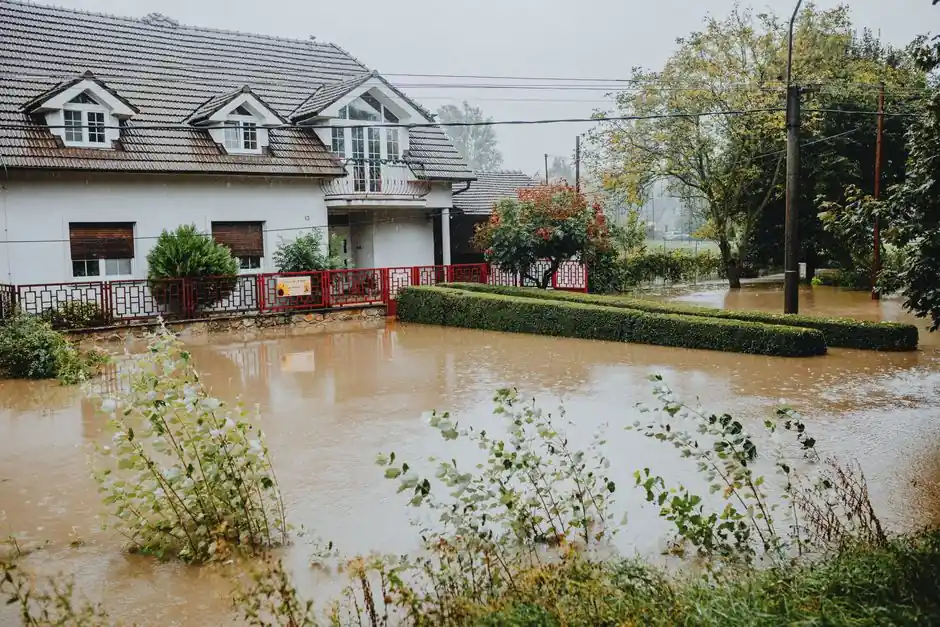
To remove standing flood water safely before professionals arrive, enter only after the power is confirmed off, the structure is stable, and the water is known to be clean; otherwise, stay out and move people to safety. If conditions are safe, remove small amounts with a wet/dry vacuum rated for water or a hand pump, while wearing waterproof gloves, boots, and eye protection. We'll explain how to judge those conditions, protect belongings, and prepare for a water extraction crew in Illinois.
Safe floodwater removal is not a race to empty the room. Floodwater can hide energized wiring, sewage, sharp debris, and pressure against basement walls. Our work starts by identifying the source and hazards, then choosing extraction and drying methods that fit the building.
Remove standing flood water safely is a hazard-controlled cleanup process that lowers water levels only when entry and pumping will not expose people or damage the structure.
How do you remove standing flood water safely before professionals arrive?
Homeowners in Illinois should remove standing flood water only when the water is shallow, the source is clean, the floor is stable, and electricity has been safely isolated. If any one of those conditions is uncertain, keep out, call for help, and wait for trained responders.
For a limited, clean-water spill, use a wet/dry vacuum specifically rated for liquid pickup or a manual pump. Follow the device instructions, use a grounded outlet outside the wet area on a GFCI-protected circuit, and stop if the breaker trips, the water rises, or you feel tingling or see sparks.
Do not use a household vacuum, extension cord lying on a wet floor, or a gas-powered pump indoors. Gas engines produce carbon monoxide; even an open basement window does not make indoor operation safe. Our team handles larger losses with commercial equipment, including submersible pumps and extraction tools, after checking the site.
Illinois storms can bring fast runoff and repeated rain, especially during spring and summer, while November's colder weather adds frozen-ground runoff and slick entryways. Our statewide Water Extraction in Illinois service addresses the water source as well as the visible pool, so water does not keep returning during cleanup.
Check for hazards before entering
Before entering a flooded room in Illinois, look for electrical danger, structural movement, fuel or chemical odors, and signs of sewage; any one is a reason to stay outside. A few inches of water can conceal a live cord, broken glass, or an open floor drain.
Never step into water to reach a breaker panel, unplug an appliance, or switch off a furnace. If the panel is in a dry, accessible area and you can reach it without crossing water, turn off the affected circuit; otherwise, call the utility or emergency services for safe isolation. Do not touch electrical equipment while wet or standing on damp flooring.
Stay away from a basement if a wall is bowing, a floor is cracking, the foundation is shifting, or doors suddenly stick. Water outside can press against foundation walls while the inside water level drops. Call emergency services if the building appears unstable, and keep children and pets away from the flooded area.
When storm runoff pushes water through a window well or foundation joint, use local conditions as a clue, not proof that water is safe. Homeowners seeking Water Extraction in Chicago often face a mix of heavy rain, older basements, and street runoff; regardless of neighborhood, visible mud or a fuel-like odor means no entry or pumping until the hazard is assessed.
What safety equipment is needed around floodwater?
For a small, confirmed clean-water cleanup, wear waterproof boots, heavy waterproof gloves, eye protection, and clothing that covers exposed skin. This basic protection reduces contact with irritants and debris, but it does not make sewage-contaminated or electrically hazardous water safe to enter.
Keep a charged phone, flashlight, first-aid kit, and a clear exit route nearby. Use a battery-powered light rather than plugging in a lamp in the affected room. If you have to kneel, use a waterproof barrier, and wash hands with soap and clean water after handling wet materials.
Floodwater can contain bacteria, sewage, pesticides, fuel, and animal waste. Do not rely on color or smell alone to identify contamination: clear water can still be unsafe. If water came from a sewer backup, creek, river, street, or unknown source, avoid direct contact and leave extraction to a trained crew with appropriate protective equipment.
For water that may contain sewage, our Sewage Backup Cleanup and Water Removal in Illinois service addresses both water removal and sanitation. Household bleach, scented cleaners, or a disposable mask do not substitute for proper containment and cleanup.
Limit damage without disturbing contaminated water
When the room is safe to enter, Illinois homeowners can limit additional damage by documenting the loss, moving dry possessions out, and raising small items above the floor. Do not carry wet, heavy furniture alone; waterlogged items can weigh several times their dry weight and cause back or crush injuries.
Take wide photographs and short video clips before moving anything, including the waterline, affected rooms, and visible source. Photograph serial numbers on appliances if accessible without entering water. Keep receipts for emergency supplies and record the time you first noticed the flooding for your insurer.
- Move important papers, medication, and dry electronics to an unaffected upper floor.
- Place foil or plastic barriers under furniture legs only if the area is clean and safe.
- Open interior doors for airflow only when doing so does not spread contaminated water.
- Leave soaked carpet, drywall, insulation, and built-in cabinets in place for assessment.
Protecting belongings during a home flood also means not putting them at risk during rushed salvage. Keep valuables out of the wet zone, but do not wade through water to retrieve them. If a safe route is unavailable, make a list and tell the crew what matters most when they arrive.
In a smaller clean-water area, you can use towels or a squeegee to keep water from spreading into a dry room. Do not sweep, scrape, or operate fans over sewage or muddy water; that can spread contaminants. Fans and dehumidifiers are useful only after electrical hazards are controlled and the source is stopped.
When should homeowners avoid pumping out basement water?
Homeowners should avoid pumping basement water when water is high outside, the foundation shows movement, the source is unknown or contaminated, or electricity remains energized. Rapidly lowering the inside water level while saturated soil presses on the foundation can increase the risk of wall failure.
As a practical warning, do not make a large, sudden drawdown from a basement that has several feet of water or visible exterior flooding. A professional can evaluate the water level, soil conditions, and structure, then reduce water in controlled stages if pumping is appropriate. There is no safe universal pump rate for every foundation.
Call the fire department or utility provider for immediate electrical, gas, or collapse hazards. For water removal, our team can assess the source and plan extraction without putting you in the path of a structural or contamination risk.
Common mistakes during standing water cleanup
The most dangerous standing water cleanup mistakes are entering before power isolation, treating all floodwater as clean, and pumping a basement too quickly. Homeowners also lose time by trying to save porous materials that often need professional drying or removal.
Do not use a shop vacuum unless its manufacturer specifically permits wet pickup and you can use it from a dry, protected location. Never run a generator, fuel-powered pump, or pressure washer inside a home or garage. Carbon monoxide is odorless and can become fatal before you recognize symptoms.
Do not mix bleach with ammonia, acids, or other household cleaners. Mixing products can release toxic gases. Avoid adding disinfectant to pooled water; it will not reliably sanitize the full volume or materials beneath it.
Another common error is assuming a dry-looking surface means the problem is solved. Water can wick into baseboards, drywall, insulation, and subflooring. In a finished room, moisture trapped behind a wall can support mold growth within 24 to 48 hours under suitable conditions, so document the loss and arrange a proper moisture check promptly.
When to call a professional
Call a water extraction professional in Illinois for sewage, storm runoff, water near electrical equipment, more than a small isolated spill, or any basement with structural warning signs. A crew can identify hidden hazards, extract water efficiently, and measure moisture in materials that look dry on the surface.
Our technicians use pumps and extraction equipment suited to the water depth and access, then check affected materials and explain drying priorities. A small, clean spill may take an hour or two to remove; a flooded basement with saturated contents can require multiple extraction and drying visits. We provide upfront pricing before work begins.
For sudden flooding from a failed pump or storm, homeowners can arrange Emergency Water Extraction in Illinois rather than taking risks with unfamiliar equipment. Illinois Water Extraction Pros can also help you determine what to leave untouched while you wait; tell us whether the water is rising, where it came from, and whether power is off.
Do not wait for a professional if someone is trapped, there is a fire or gas odor, or the building may collapse-call emergency services first. If the area is stable but unsafe to enter, close the door, keep others away, and share photos from a dry location when you contact the crew.
Frequently Asked Questions
Is it safe to remove standing floodwater myself?
It is safe only for a small, confirmed clean-water spill when the power is isolated, the floor is stable, and you have waterproof boots and gloves. Stop immediately if water rises, a breaker trips, or you see sewage, fuel, or debris. Flooded basements and unknown water sources call for professional assessment.
Should I pump out basement water after a flood?
Do not pump until you know the source, electrical conditions, and foundation are safe. If outside water is high or walls show movement, sudden pumping can increase pressure on the basement structure. A professional can judge whether staged pumping is needed; there is no one safe rate for every home.
Can floodwater contain sewage or other contaminants?
Yes. Floodwater can carry sewage, bacteria, fuel, pesticides, and animal waste, even when it looks clear. Avoid skin contact with water from drains, streets, rivers, or unknown sources. Keep children and pets away, and use a trained cleanup crew for removal and sanitation.
What can I safely do before water removal professionals arrive?
From a dry, safe location, call the utility if power isolation is uncertain, take photos, move dry valuables away from the affected area, and keep people out. Share the water source, approximate depth, and any odors with the crew. Do not enter to reach belongings or operate equipment in standing water.
How quickly should floodwater be removed?
Arrange assessment as soon as you can, ideally within 24 hours, because wet building materials can begin supporting mold growth in 24 to 48 hours under favorable conditions. Safety comes first: do not enter or pump until electrical, contamination, and structural hazards are controlled.
Get help with Water Extraction in Illinois
If water is standing in your basement or living space, stay out when hazards are uncertain and let our team plan safe removal. Call Illinois Water Extraction Pros at +18668968166 for help with water extraction.