
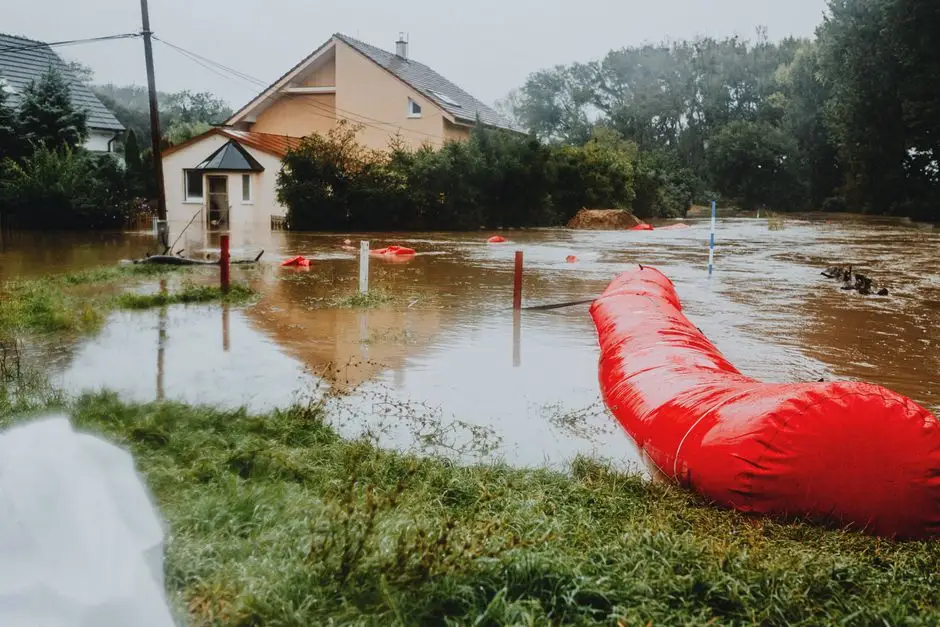
Choose flood water removal when water is pooled deep enough to pump; choose water extraction when water has spread into carpet, flooring, or other materials and needs to be pulled out with professional equipment. Many Illinois basement floods need both: pumping first, then extraction, cleaning, and structural drying. Flood water removal vs water extraction is not an either-or decision when a storm leaves standing water and soaked building materials. We explain how the services differ, what happens during each step, and how to decide what your home needs.
At Illinois Water Extraction Pros, we start by identifying the water source, depth, and affected materials. That first assessment helps us choose equipment and keep the cleanup moving in the right order.
Flood water removal vs. water extraction: what is the difference?
Flood water removal vs water extraction is a comparison between bulk-water pumping and targeted removal of water held in surfaces and materials. Flood water removal clears pooled water from a basement or room; water extraction uses equipment to pull moisture from carpet, padding, hard floors, and other accessible materials.
Flood water removal is usually the first task when a sump pump fails, heavy rain enters through a foundation, or a drain backs up. A submersible pump or truck-mounted pump can move large volumes faster than a wet vacuum. Once the water level drops, extraction addresses the residue and absorbed water that pumping leaves behind.
The difference between flood cleanup and water extraction is that cleanup describes a broader process, while extraction names one water-removal step within it. Flood cleanup can include pumping, removing unsalvageable materials, cleaning and disinfecting affected surfaces, and drying the structure. Extraction alone does not automatically mean every cleanup or restoration task is complete.
In practice, we treat the two services as connected stages rather than competing choices. Our Water Extraction in Illinois work begins with water removal and continues according to what the inspection finds.
Which service do you need after a basement flood in Illinois?
After a basement flood in Illinois, you need pumping if water is visibly pooled and extraction plus drying if floors, carpet, walls, or belongings remain wet. Many basement jobs require both services in sequence, especially after a storm or sump-pump failure.
Use the water depth as a quick guide, not as the only measure. A few inches of standing water across a large basement can add up to hundreds of gallons, while a shallow layer can still soak carpet padding and wick into drywall. If the water keeps entering, stopping or controlling the source comes before completing removal.
Illinois weather makes the source important. November rain, frozen ground, and winter freeze-thaw cycles can push water toward foundations; spring storms and summer downpours can overwhelm a sump pump. Where rainfall or groundwater is involved, we match the method to the cause, including Storm and Rainwater Extraction in Illinois for storm-related water intrusion.
For a basement with a few inches of clean rainwater, pumping may clear the bulk quickly, but wet carpet and wall edges still need attention. If sewage or drain water entered the room, avoid contact and do not treat it like ordinary rainwater; contamination changes the cleaning and protective steps required.
What happens during removal, extraction, and drying?
Water removal and structural drying services in Illinois usually proceed in four stages: source control, bulk-water removal, detailed extraction, and measured drying. The precise sequence depends on the water category, materials, and whether electricity or contamination creates a safety concern.
First, we inspect the affected areas and identify visible hazards. If the water is near electrical outlets, appliances, or a panel, stay out of the flooded area until power can be made safe. We then use pumps for standing water and extraction tools for water remaining in carpet, flooring, and other surfaces.
Next, we check how far moisture has travelled. Water can move under flooring, behind baseboards, and into wall cavities even when the surface looks nearly dry. We use moisture meters and, where needed, thermal imaging to locate damp areas that a visual check can miss.
Drying equipment moves air and manages humidity. Air movers are positioned to circulate air across damp surfaces, while dehumidifiers remove water vapour from the room. Drying often takes about 3-5 days, but dense materials, cool indoor temperatures, and continued water entry can extend the process.
We monitor moisture readings rather than relying on a dry-feeling surface. A basement slab can feel cool and dry while moisture remains beneath a floor covering. The work is ready to move forward when readings show that affected materials have reached an appropriate drying target.
That is the practical answer to whether water extraction includes drying and moisture checks: professional extraction should be paired with moisture assessment and a drying plan, but the exact cleanup scope varies by job. Ask what areas will be checked and how progress will be measured.
What affects the cost and timeline?
In Illinois, water-removal cost depends on the volume of water, access, contamination, and how much material needs extraction and drying; typical 2026 pricing for a limited cleanup can run from a few hundred dollars to several thousand. A deep, contaminated, or multi-room flood costs more than a small clean-water spill because it requires more equipment, labor, and handling.
There is no useful flat price based on the word "flood" alone. A two-inch layer in a finished basement can affect carpet, padding, baseboards, and drywall; the same depth in an unfinished utility room may involve fewer porous materials. The source also matters: clean rainwater and sewage-affected water call for different handling.
Time follows the same pattern. Pumping may take hours, while extraction and drying often continue over several days. As a practical example, a 400-square-foot room with wet carpet and wall edges needs more than a single pass with a pump, even if the visible water is gone quickly.
We explain the work and pricing before proceeding, then focus on the steps needed to remove water and dry the affected area. If the flood followed a sump-pump failure, the cause and the water cleanup are related but distinct tasks; the water must be removed before the basement can be assessed for lasting moisture.
Common mistakes after floodwater enters a home
Illinois homeowners can make flood damage worse by treating visible water as the whole problem, restarting equipment too soon, or delaying cleanup while wet materials remain in place. A careful first response helps protect people and limits avoidable damage.
- Walking into electrically unsafe water: Do not enter if water is near outlets, cords, appliances, or electrical equipment. Keep children and pets away.
- Using a household vacuum: Standard vacuums are not designed for water and can create shock or equipment hazards. Use a wet vacuum only if its manufacturer permits it and conditions are safe.
- Leaving wet carpet and padding in place: Surface drying does not prove the backing or subfloor is dry. Check the materials beneath the visible surface.
- Mixing cleaning chemicals: Never combine bleach with ammonia or other cleaners. Ventilate the area and follow product directions.
- Ignoring the water source: If a sump pump, drain, or foundation leak remains active, cleaned areas can become wet again.
Floodwater pumping compared with extraction also explains why stopping after the first pump-out can be costly. Water trapped below flooring or behind trim can continue damaging materials after the room looks clear.
When to call a professional flood cleanup company
Call a professional flood cleanup company in Illinois when water covers a large area, the source is contaminated, building materials are soaked, or electrical safety is uncertain. A professional assessment is also useful when water returns after pumping or you cannot determine how far it has travelled.
Do not wait for a musty smell before acting. Mold can begin developing on persistently damp materials within roughly 24-48 hours, depending on conditions. Quick water removal, cleaning, and controlled drying reduce the time that materials remain wet.
We also recommend professional help when a basement flood affects finished rooms or stored belongings. Our team can remove standing water, extract moisture from accessible materials, and monitor drying rather than leaving you to guess from surface appearance alone.
Homeowners dealing with older foundations or a failed sump pump may need a different removal setup from a room affected by a burst supply line. In Chicago, heavy rain and dense urban drainage can compound basement water problems, so our water removal services in Chicago address the actual source and affected area.
If you are weighing how to choose between floodwater pumping and restoration, tell us what happened, where the water reached, and whether it is still entering. Illinois Water Extraction Pros can help you identify the immediate next step and arrange the right water-removal service.
Frequently Asked Questions
What is the difference between flood water removal and water extraction?
Flood water removal pumps standing water; water extraction pulls remaining moisture from materials such as carpet, flooring, and other surfaces. A basement flood often needs both in sequence, followed by drying and moisture checks to confirm the affected area is no longer holding excess water.
Does water extraction include cleanup and drying?
Water extraction removes water from accessible surfaces, but it does not always include every cleanup task. Professional flood cleanup commonly adds cleaning, moisture checks, and drying equipment; a drying period of about 3-5 days is common, though readings and material conditions determine completion.
Which service do I need after a basement flood in Illinois?
If water is pooled, you need pumping first; if carpet, floors, or walls are wet, you also need extraction and structural drying. Many Illinois basement floods require both. Sewage or drain water needs specialized cleanup, so keep people and pets out of the affected room.
When should I hire a professional flood cleanup company?
Hire a professional promptly if water is near electrical equipment, covers a large area, contains sewage, or has soaked walls or flooring. Materials left damp for 24-48 hours can face increased mold risk. Call sooner if the water source is still active or the water returns after pumping.
Can I pump out a flooded basement myself?
You can use a suitable pump for a small, clean-water incident only when the area is electrically safe and the source is controlled. Never enter water near energized equipment or handle sewage. A professional can assess hidden moisture and dry materials that a pump cannot reach.
Get help with Water Extraction in Illinois
We remove standing water, extract moisture, and check drying progress so you know what your basement needs next. Call Illinois Water Extraction Pros at +1-866-896-8166 for help with water extraction in Illinois.